

FLAVORS AND FRAGRANCES MARKET SIZE & SHARE BY TYPE (FLAVOR & FRAGRANCE), BY SOURCE (NATURAL & SYNTHETIC), BY FORM (LIQUID, DRY, OTHER), BY SALES MODE (DIRECT, INDIRECT, E-COMMERCE), BY APPLICATION (BEVERAGES, CONFECTIONERY, BAKERY FOOD, DAIRY FOOD, SAVORY & SNACKS, FINE FRAGRANCES, COSMETICS & TOILETRIES, SOAPS & DETERGENTS, AROMATHERAPY) BY END USE AND BY REGION & COUNTRY–FORECAST TO 2032
| Report Code: C&M3010-1201l | Number of Pages: 400 | Report Format: PDF, EXCEL, PPT |
|---|---|---|
|
Trend Year: 2022 – 2024 |
Forecast Period: 2025 – 2032 |
Publish Date: JULY 2025 |
- Report Summary
-
Tables of Content
- Segmentation
- Methodology
- User License & Pricing
- Sample Copy
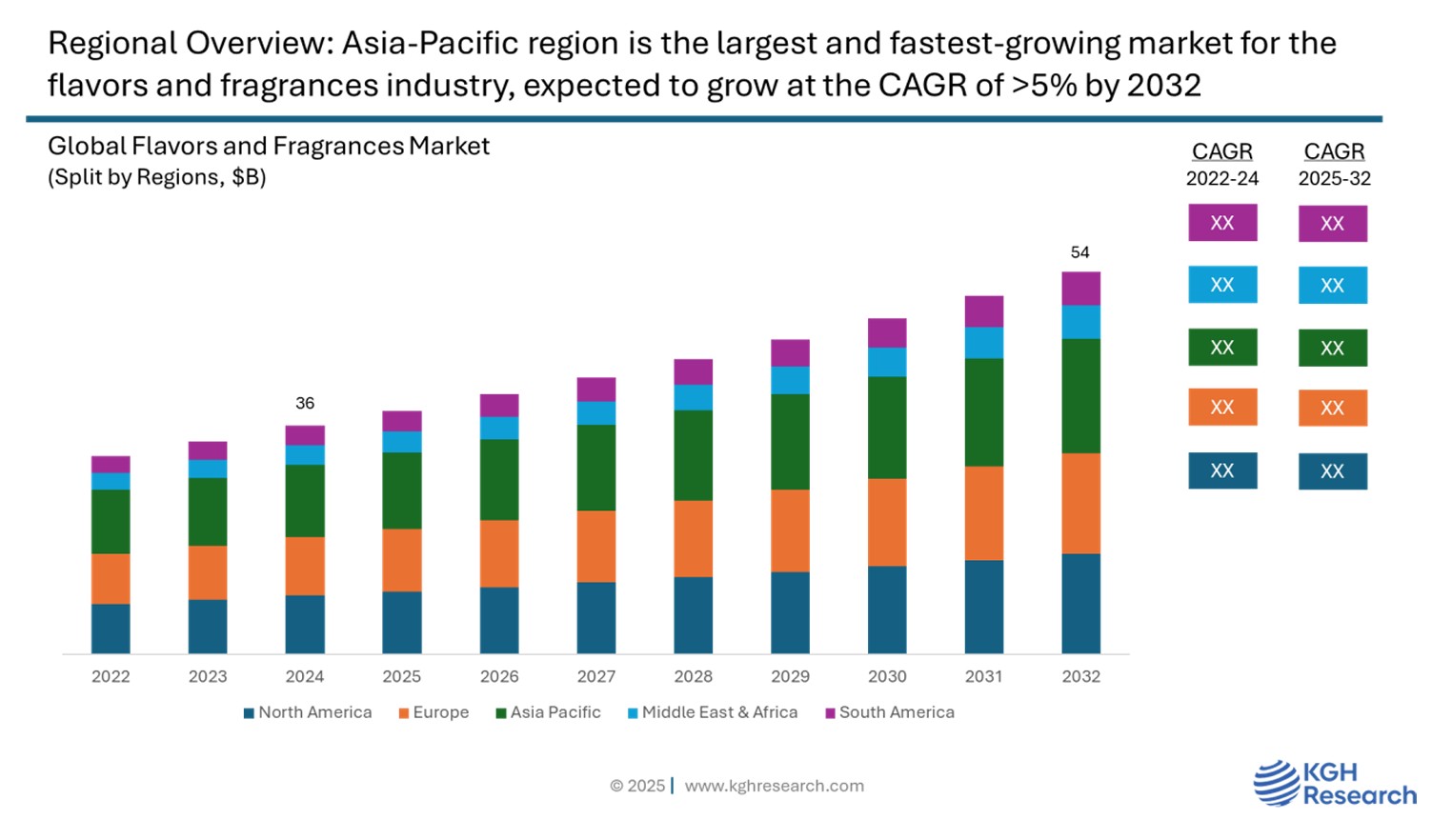
Market overview: The global flavors and fragrances market was estimated at US $36 billion in 2024 and is projected to grow at a compound annual growth rate (CAGR) of more than 5.0% from 2025 to 2032 to reach $54 billion by 2032. The market is mainly driven by the increasing demand for natural, clean-label, and plant-based ingredients. Consumers are becoming more health-conscious and aware of environmental issues. Growth in the food and beverage industry, especially in dairy, beverages, snacks, and ready-to-eat products, is creating a need for innovative flavor solutions. At the same time, the expanding personal care and cosmetics sectors are producing strong demand for premium, long-lasting, and functional fragrances. Technological advancements, such as biotechnology, artificial intelligence in product design, and encapsulation techniques, are improving product performance and personalization. Emerging markets, particularly in Asia-Pacific and Latin America, are seeing rapid urbanization and income growth, which is boosting the consumption of flavored and fragranced products. Additionally, the rising popularity of wellness-focused items, like mood-enhancing fragrances and immunity-boosting flavors, is influencing product development. Sustainability and green chemistry are also becoming key to industry strategies.
MARKET DYNAMIC
GROWTH DRIVERS:
GROWTH DRIVERS:
- Rising demand for Natural & Clean-Label Products
- Increasing demand of processed foods, beverages, and cosmetics worldwide
- Growth in the personal and home care industries
- Expansion of retail and e-commerce channels
NEW GROWTH OPPORTUNITIES:
- Use of AI, biotechnology, and encapsulation is enabling faster, customized, and more sustainable product development.
- Rapid urbanization, changing lifestyles, and increasing disposable income in Asia-Pacific, Latin America, and Africa are expanding the market base
- Opportunity 3
- Opportunity 4
MARKET RESTRAINTS:
- Compliance with international safety, labelling, and sourcing standards (e.g., REACH, FDA) increases production complexity and cost.
- Fluctuations in the cost and availability of natural ingredients
- Counterfeiting
GROWTH HURDLES:
- Maintaining Stability and Performance in Natural Formulations
- High R&D costs
Product Type: Market Insights
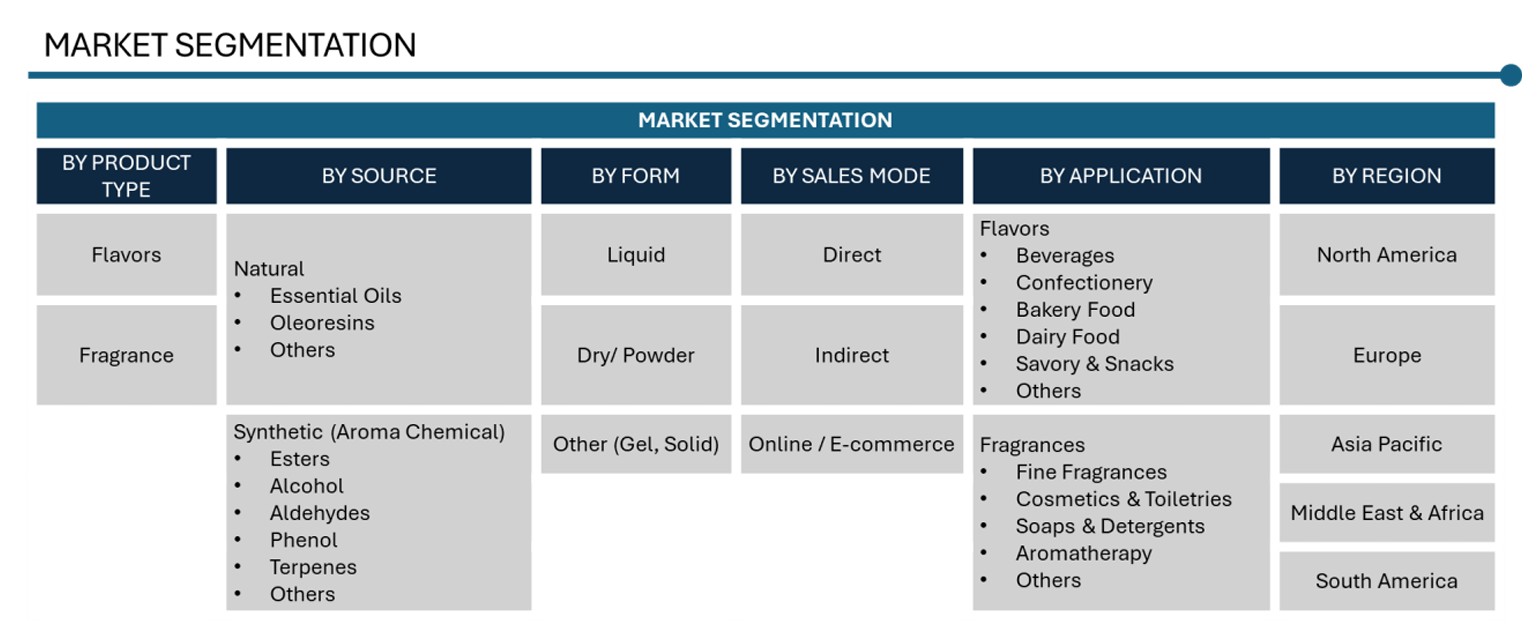
By product type, the global flavours and fragrances market is divided into flavours and fragrances. The flavours segment mainly serves the food and beverage industry. It helps improve the taste and smell of products like beverages, dairy, candies, baked goods, snacks, and nutraceuticals. There is a rising demand for natural options due to clean-label trends. In contrast, the fragrances segment is widely used in personal care, home care, fine fragrances, and fabric care. The increasing demand for premium cosmetics, wellness products, and home ambiance solutions is driving growth in the fragrance segment. Together, these two product categories form the basis of the flavours and fragrances market. They meet both functional and sensory needs across various industries.
Source: Market Insights
By source, the global flavours and fragrances market divides into natural and synthetic (aroma chemical) ingredients. Natural sources come from plants or animals and are increasingly favoured due to the growing consumer demand for clean-label and sustainable products. Key natural ingredients include essential oils, which are extracted from flowers, herbs, and fruits, and are widely used for their scent and healing properties. There are also oleoresins, concentrated forms of spices and herbs that provide both flavour and fragrance benefits, and other natural extracts like absolutes and CO₂ extracts. In contrast, synthetic sources, also called aroma chemicals, are compounds made in labs that mimic or enhance natural scents and flavours. These are preferred for their stability, cost-effectiveness, and consistent results on a large scale. Major types of synthetic ingredients include esters, which offer fruity notes; alcohols, used in floral and fresh scents; aldehydes, known for their sharp, clean aroma; phenols, which have spicy and medicinal tones; and terpenes, giving citrusy or woody scents. Both natural and synthetic sources are important in the industry, meeting various application needs, consumer preferences, and price points.
Product Form: Market Insights
By form, the flavours and fragrances market include various physical formats that address different processing needs and end-use applications. The liquid form is the most used because it blends easily, has high solubility, and disperses quickly in formulations. This makes it ideal for beverages, perfumes, and liquid detergents. The dry or powder form offers benefits such as a longer shelf life, easier transportation, and better stability under extreme conditions. These are typically used in dry food mixes, pharmaceuticals, and baked goods. Other forms, like gel and solid, are used in specific applications such as air fresheners, solid perfumes, or slow-release fragrance systems. The choice of form relies on product formulation needs, manufacturing processes, and user preferences across industries.
Sales Mode: Market Insights
By sales mode, the global flavours and fragrances market is divided into direct, indirect, and online/e-commerce channels. The direct sales mode has manufacturers selling their products directly to end-use industries such as food and beverage, cosmetics, and home care companies. This approach allows for better control over pricing, customer relationships, and technical support, especially for bulk or customized orders. Indirect sales involve distributing flavours and fragrances through intermediaries like wholesalers, distributors, and agents. This channel is vital for reaching smaller manufacturers or companies in areas where direct presence is limited. Online/e-commerce sales are a growing channel, driven by digitalization and the demand for easy access to product samples, quick procurement, and faster delivery. This mode is particularly gaining popularity among small businesses, startups, and niche product developers. Each sales mode has a strategic role based on customer base, geographic coverage, and product complexity.
Application: Market Insights
By application, the global flavours and fragrances market is divided into flavours and fragrances, each serving various end-use industries. The flavours segment mainly targets the food and beverage industry, with uses in drinks, sweets, baked goods, dairy products, and savoury snacks. These flavours improve taste, attract consumers, and help products stand out in a competitive market. Beverages like soft drinks and juices, as well as sweets such as chocolates and chewing gum, are key users of flavour ingredients. Likewise, baked goods and dairy products incorporate a variety of natural and synthetic flavours to create different sensory experiences. In contrast, the fragrances segment is important for the personal care, home care, and wellness sectors. It includes uses in fine fragrances like perfumes and colognes, cosmetics and toiletries such as creams and lotions, and soaps and detergents, which use fragrances to improve freshness and customer satisfaction. Furthermore, aromatherapy products that use essential oils for wellness and other items like air fresheners and incense also contribute to this segment. Together, these applications highlight the significant role flavours and fragrances play in enhancing product quality, emotional connections, and the consumer experience across industries.
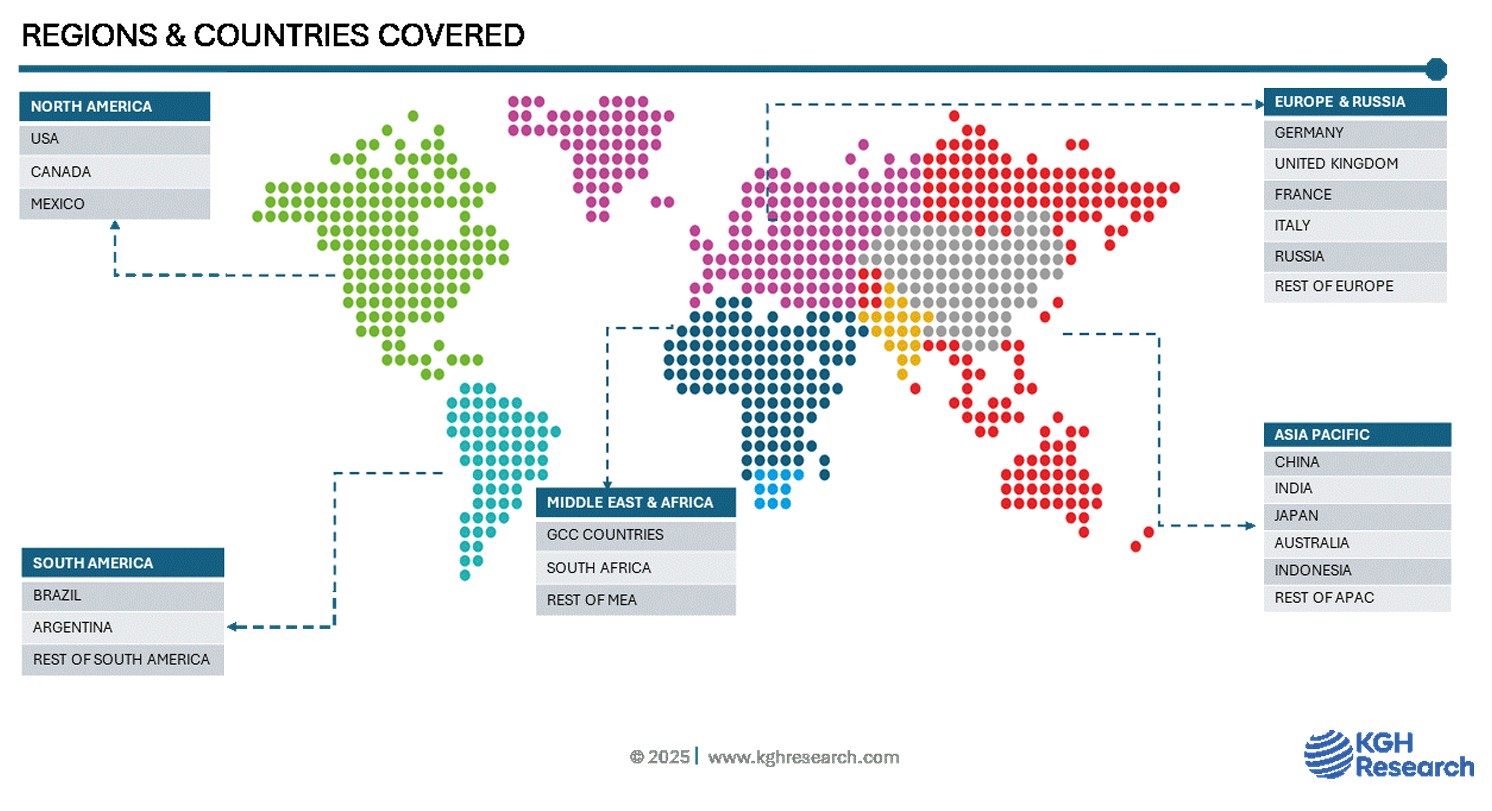
Regional: Market Insights
Asia-Pacific (APAC) is the largest and fastest-growing region in the global flavours and fragrances market. This growth results from economic growth, rising disposable incomes, urbanization, and changing consumer preferences. Countries like China, India, Japan, and South Korea are seeing a surge in demand for processed foods, beverages, personal care, and home care products; these are key end-use sectors for flavours and fragrances. The growing middle-class population is boosting the consumption of premium and customized products. Additionally, the cultural diversity in the region creates a strong desire for authentic, ethnic, and traditional flavour profiles. APAC is also a major producer of natural ingredients like essential oils and oleoresins, which strengthens its role in the supply chain. The rise of e-commerce and digital marketing is helping brands provide tailored offerings directly to consumers. Together, these factors make APAC a leading market, attracting significant investments and innovation from both global and local industry players.
In China, more people are moving to cities, incomes are rising, and the middle class is expanding. This has led to an increase in the consumption of packaged foods, functional drinks, premium personal care, and home care products. People have a strong preference for local and authentic flavours, which reflects regional tastes and a rich food culture. China also boasts a solid manufacturing base for aroma chemicals and natural ingredients. Many international companies are setting up research and development and production facilities in the country to better serve the local and export markets.
India is also seeing strong growth in the flavours and fragrances sector, thanks to its lively food industry, a growing youth population, and heightened awareness of personal hygiene and grooming. The food processing industry is growing quickly, leading to high demand for both traditional and modern flavours in snacks, dairy, and drinks. In the fragrance area, there is significant demand for cosmetics, personal care products, and household items, particularly in urban and semi-urban areas. Additionally, India is a leading global exporter of natural essential oils and aroma compounds, making it an important player in both local consumption and international supply.
Competition: Flavors and Fragrances Market
The flavors and fragrances market are very competitive. Key players focus on innovation, product quality, efficiency, and forming strategic partnerships to keep and improve their market position. These companies invest a lot in research and development to create new and sustainable flavor and fragrance solutions that match changing consumer preferences. Mergers, acquisitions, and collaborations are also common strategies to expand their reach and diversify their product lines. Major companies in the global flavors and fragrances market include Givaudan
Firmenich (now part of DSM-Firmenich), International Flavors & Fragrances (IFF), Symrise AG, Takasago International Corporation, Sensient Technologies, Mane SA, Robertet Group, T. Hasegawa Co., Ltd., Bell Flavors & Fragrances. These companies serve various industries, including food and beverages, personal care, cosmetics, home care, and pharmaceuticals. They offer tailored solutions that meet both functional and sensory needs. Their competitive edge often comes from unique technologies, special formulations, and their ability to provide products that fit regional preferences.
FLAVORS AND FRAGRANCES MARKET SNAPSHOT | |
Market Size In 2025 | USD 36 BILLION |
Market Forecast In 2032 | USD 54 BILLION |
Compound Annual Growth Rate (2025-2032) | 5.1% |
Historical Data (Years) | 2022-2024 |
Forecast Data (Years) | 2025-2032 |
Region Dominance | Asia Pacific |
Country Dominance | China |
Growth Driver | Rising Demand for Natural & Clean-Label Products Increasing demand of processed foods, beverages, and cosmetics worldwide, Growth in the personal and home care industries, Consumer preference for natural and clean label products, Expansion of retail and e-commerce channels |
Segments Covered | BY PRODUCT TYPE, BY SOURCE, BY FORM, BY SALES MODE, BY APPLICATION, AND BY REGION & COUNTRIES |
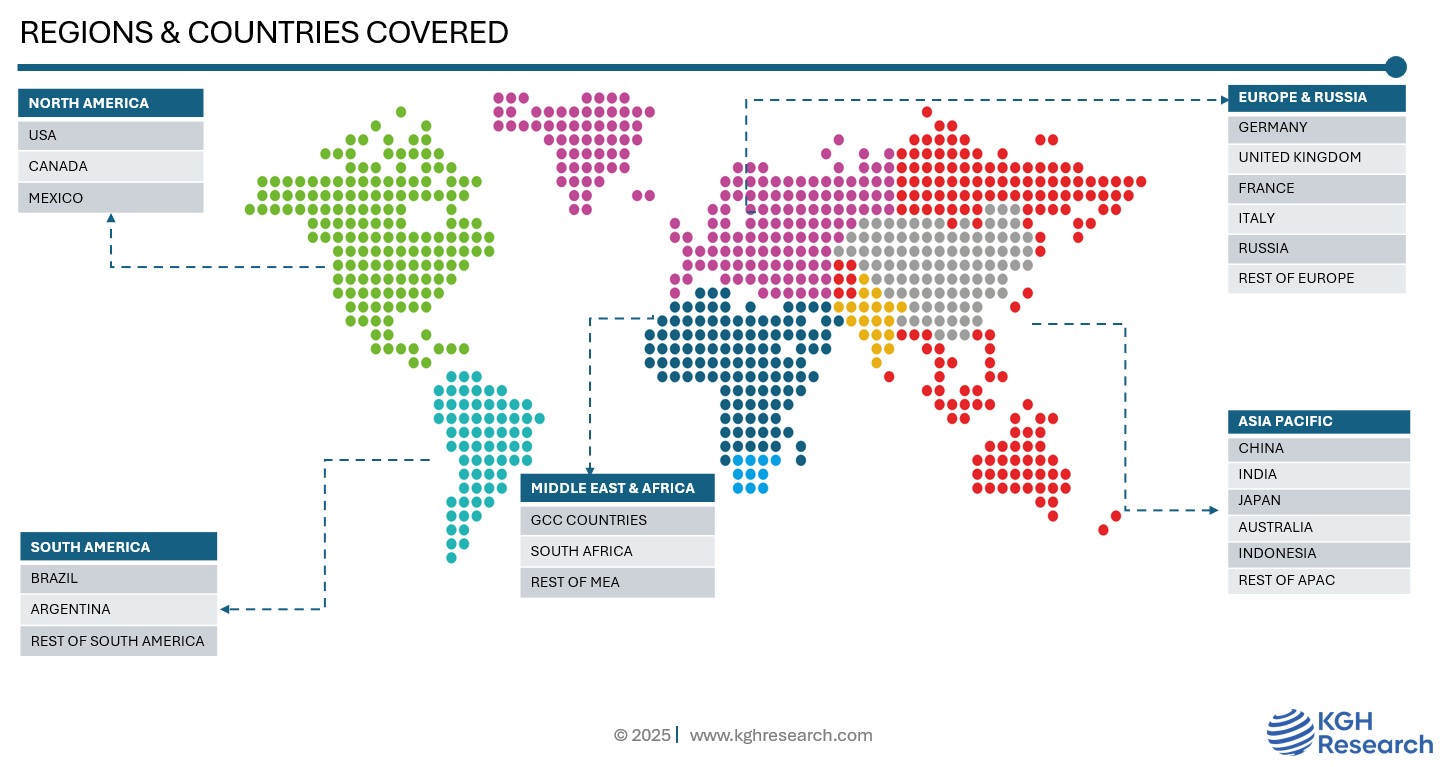
Regions Covered | NORTH AMERICA, EUROPE, ASIA PACIFIC, SOUTH AMERICA, MIDDLE EAST & AFRICA |
Countries Covered | USA, CANADA, MEXICO, UK, GERMANY, FRANCE, ITAY, RUSSIA, REST OF THE EUROPE, CHINA, INDIA, JAPAN, AUSTRALIA, INDONESIA, REST OF APAC, BRAZIL, ARGENTINA, REST OF THE WORLD |
Companies Profiled (25+) | GIVAUDAN, INTERNATIONAL FLAVORS & FRAGRANCES INC. (IFF), SYMRISE AG, DSM-FIRMENICH (FORMERLY FIRMENICH + DSM), TAKASAGO INTERNATIONAL CORPORATION, MANE SA, SENSIENT TECHNOLOGIES CORPORATION, ROBERTET GROUP, BELL FLAVORS & FRAGRANCES, TREATT PLC, HUABAO INTERNATIONAL HOLDINGS, FLAVORCHEM CORPORATION, KERRY GROUP, FRUTAROM (NOW PART OF IFF), T. HASEGAWA CO., LTD., MANY MORE. |