
Plant Based Protein Market (2022 - 2032)
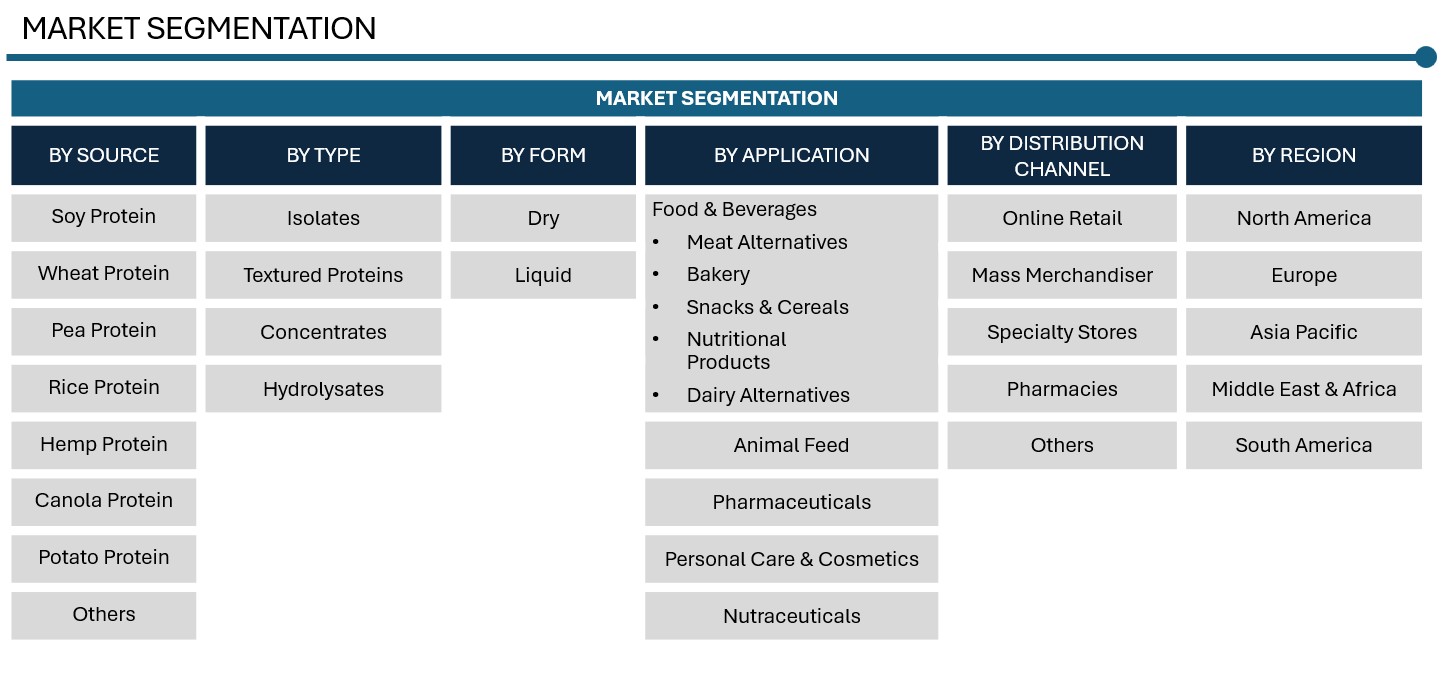
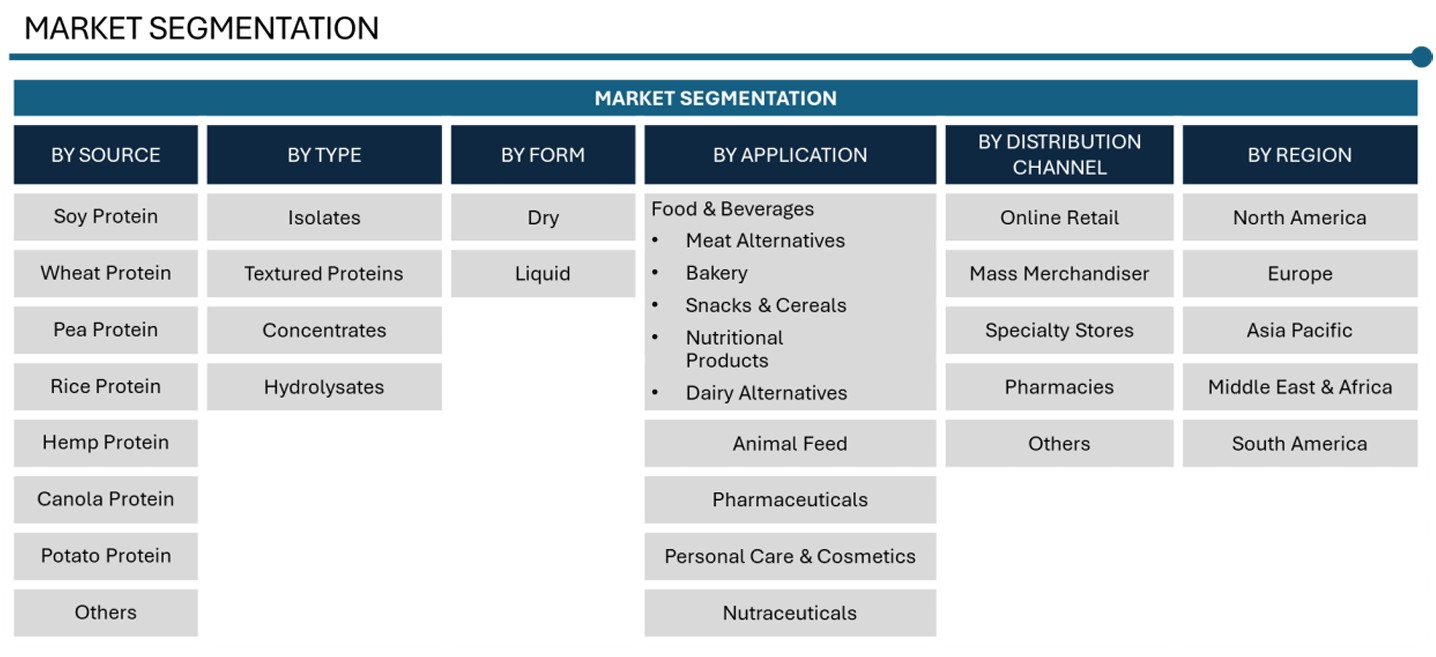
PLANT-BASED PROTEIN MARKET SIZE & SHARE BY SOURCE (SOY, WHEAT, PEA, RICE, HEMP, CANOLA, POTATO), BY TYPE (ISOLATES, TEXTURED PROTEINS, CONCENTRATES, HYDROLYSATES), BY FORM (DRY, LIQUID), BY DISTRIBUTION CHANNEL (ONLINE RETAIL, MASS MERCHANDISER, SPECIALTY STORES, PHARMACIES, AND OTHERS), BY APPLICATION (FOOD & BEVERAGES, ANIMAL FEED, PHARMACEUTICALS, PERSONAL CARE & COSMETICS, NUTRITIONAL SUPPLEMENTS), BY REGION & COUNTRY – FORECAST TO 2032
| Report Code: AGRI1101-0801 | Number of Pages: 240 | Report Format: PDF, EXCEL, PPT |
|---|---|---|
|
Trend Year: 2022 – 2024 |
Forecast Period: 2025 – 2032 |
Publish Date: JULY 2025 |
- Report Summary
-
Tables of Content
- Segmentation
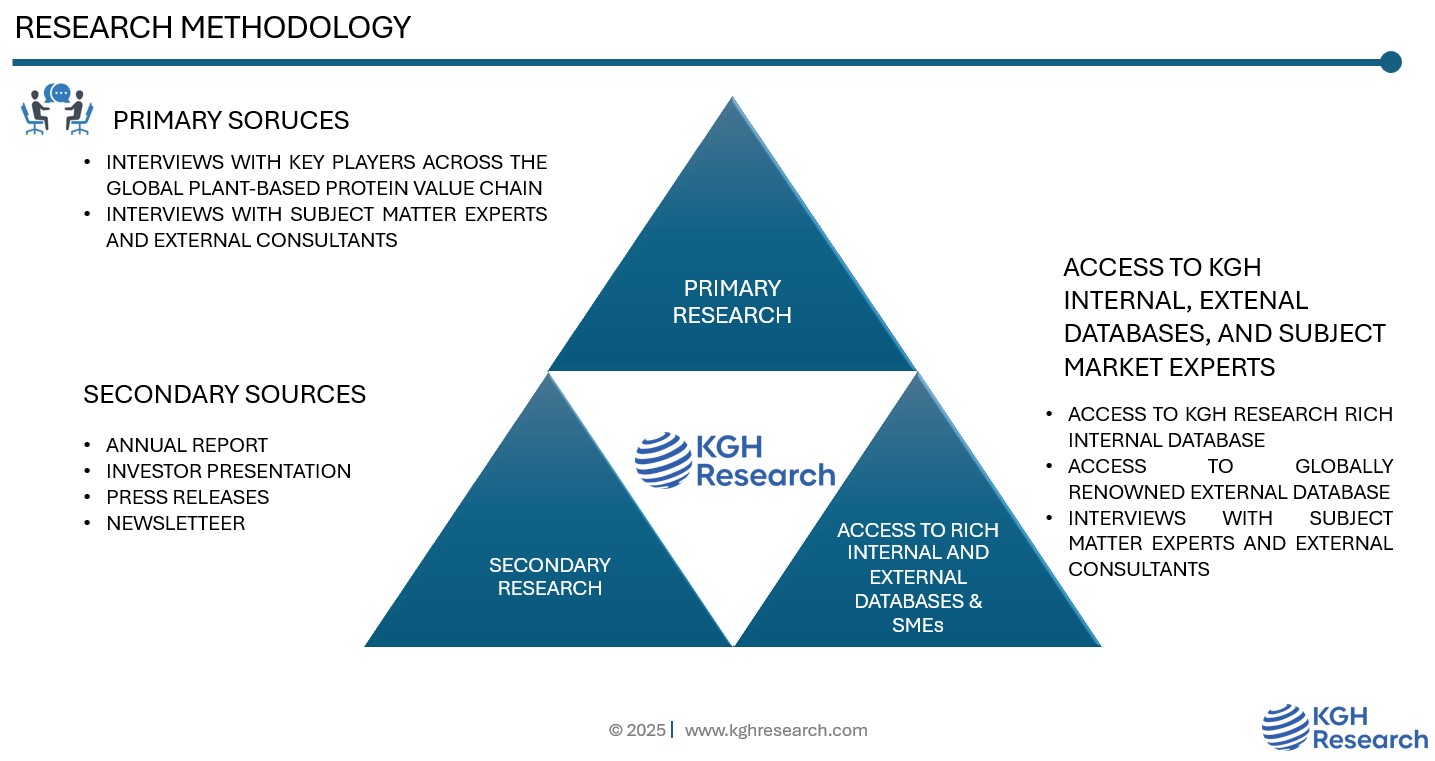
- Methodology
- User License & Pricing
- Sample Copy
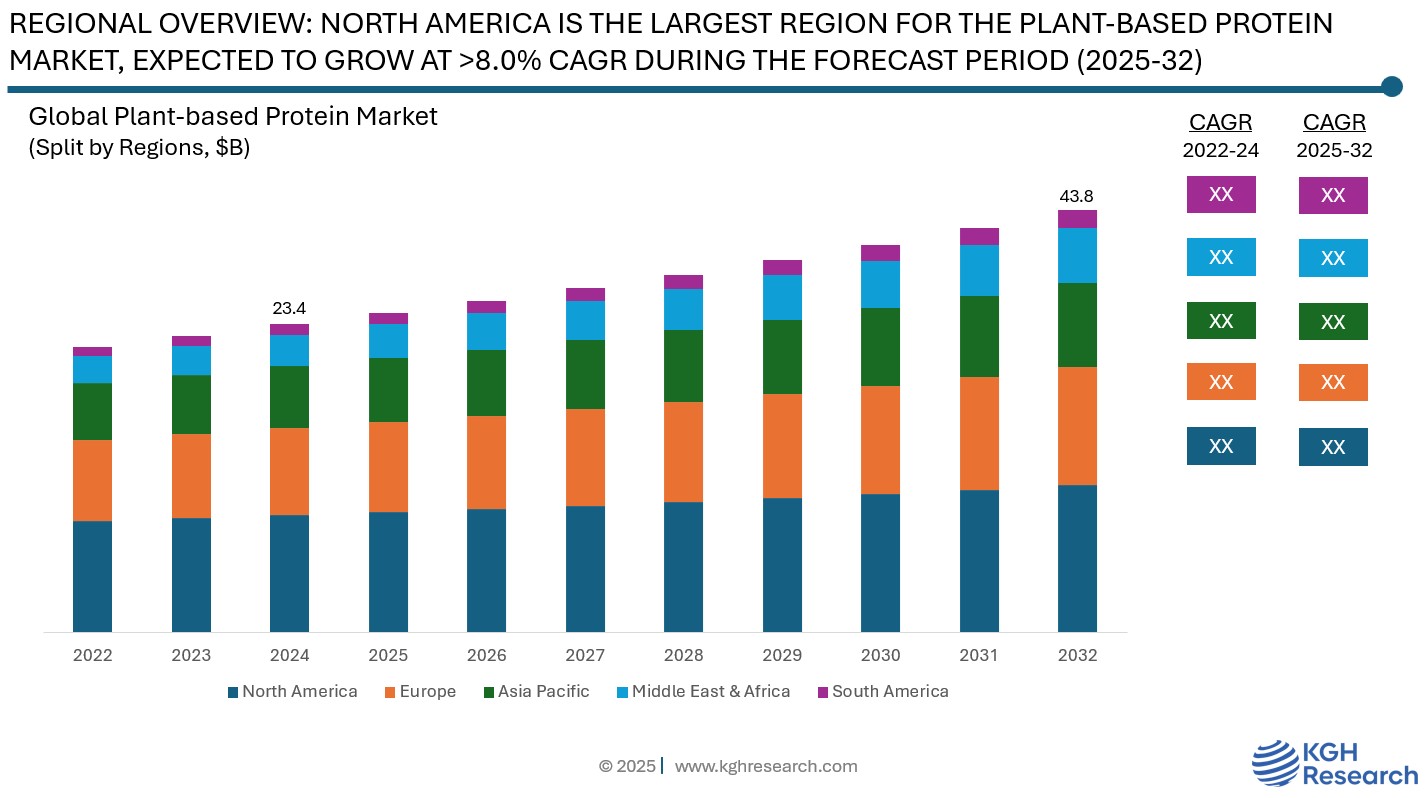
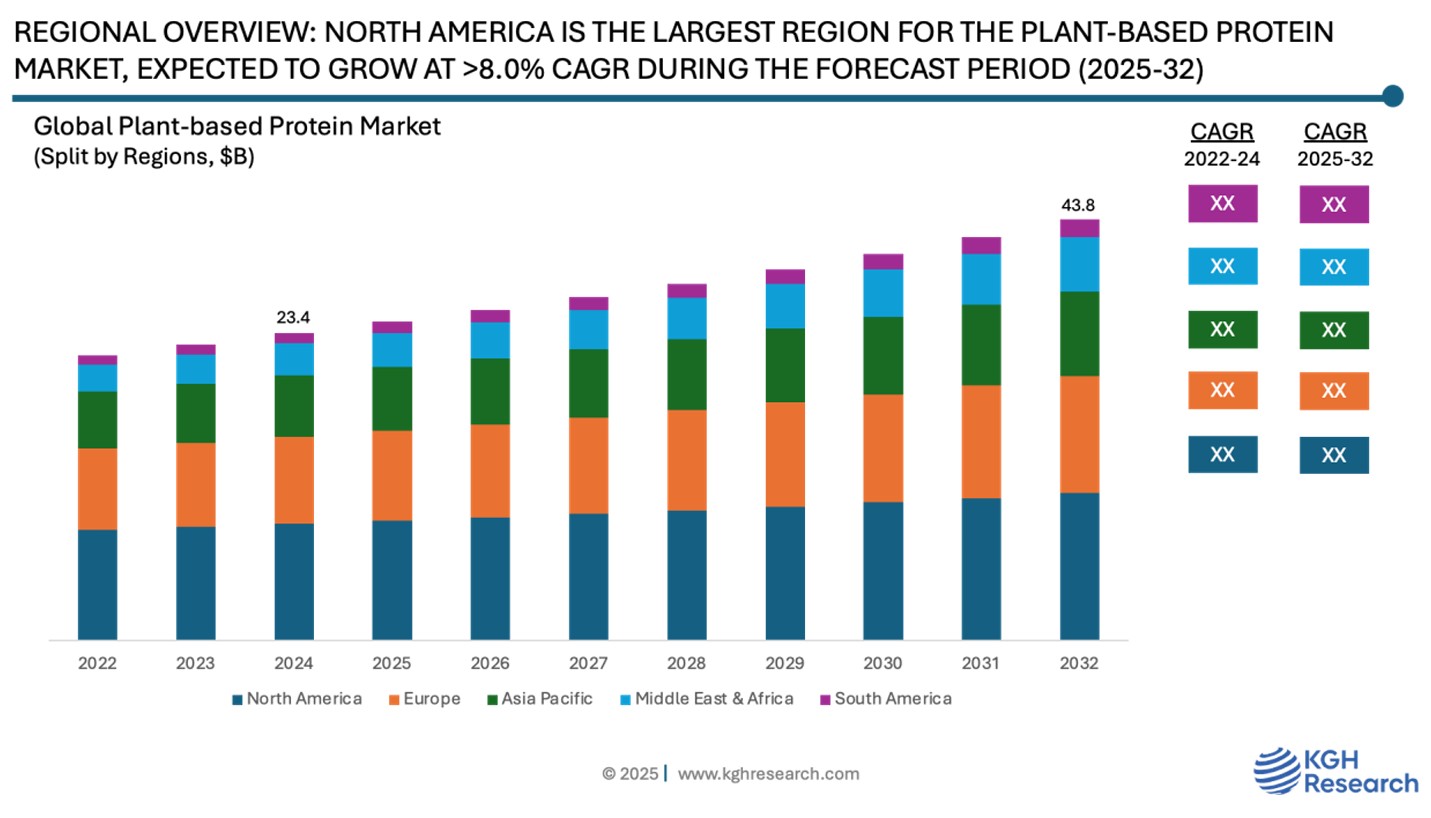
Market Overview: The global plant-based protein market was valued at approximately USD 23.4 billion in 2024 and is projected to grow at a compound annual growth rate (CAGR) of 8.1% from 2025 to 2032. The market is influenced by health, environmental, ethical, and technological factors that are changing consumer preferences and the food industry. One major driver is the growing awareness of the health benefits of plant-based diets. These diets can lower the risks of heart disease, obesity, and diabetes, encouraging consumers to cut back on or stop eating animal-based protein. Concerns about environmental sustainability also play a vital role. Issues like greenhouse gas emissions, land use, and water consumption from animal agriculture are leading both individual and governments to support plant-based options.
MARKET DYNAMIC
GROWTH DRIVERS:
- Increasing awareness of the health benefits associated with plant-based proteins
- Rise of vegan and flexitarian diets
- Food innovation and product availability
- Growing concern over the environmental impact of animal farming
NEW GROWTH OPPORTUNITIES:
- Emerging markets expansion
- Alternative protein innovation
- Functional foods and supplements
- Clean label and organic trends
MARKET RESTRAINTS:
- Taste and texture limitations
- Higher cost compared to animal protein
- Allergen risks
GROWTH HURDLES:
- Supply chain and sourcing issues
- Regulatory uncertainty
- Consumer perception and misinformation
- Market saturation in developed regions
Source: Market Insights
In the global plant-based protein market, sources include soy protein, wheat protein, pea protein, rice protein, hemp protein, canola protein, potato protein, and others. Soy protein has a significant share because it has high protein content, a complete amino acid profile, and is widely used in meat and dairy alternatives. Wheat protein, especially in the form of gluten or seitan, is valued for its texture and is often used in processed meat substitutes. Pea protein is quickly becoming popular because it is allergen-free, easy to digest, and suitable for a variety of uses, including beverages, snacks, and sports nutrition. Rice and potato proteins are usually found in hypoallergenic or specialized formulations. Hemp and canola proteins are gaining recognition as alternative sources because of their nutritional quality and sustainability. The others category features newer or less common sources like lentils, chickpeas, algae, and fava beans. This wide range of sources encourages innovation and allows manufacturers to meet diverse dietary needs and preferences in global markets.
Type: Market Insights
In the global plant-based protein market, the types include isolates, textured proteins, concentrates, and hydrolysates. Protein isolates are the most refined form and contain the highest protein concentration, typically over 90%. They have minimal fats or carbohydrates, making them ideal for sports nutrition products, beverages, and clinical applications. Textured proteins, such as textured vegetable protein (TVP), are popular in meat substitutes because of their fibrous, meat-like texture and their versatility in food processing. Protein concentrates contain less protein than isolates, usually around 60% to 80%, but they retain more of the original nutrients and fiber. This makes them suitable for various food applications, including bakery goods, snacks, and dairy alternatives. Hydrolysates are proteins that have been broken down into peptides and amino acids through enzymes. They offer better digestibility and faster absorption. These are mainly used in medical nutrition, infant formulas, and performance supplements. Each type serves specific functions and nutritional needs, allowing manufacturers to create products that meet different consumer demands and applications.
Form: Market Insights
In the global plant-based protein market, the market is divided into dry and liquid forms. The dry form leads the market because it has a longer shelf life, is easy to store and transport, and can be used in many food and drink products, such as protein powders, snack bars, baked goods, and meat alternatives. Dry plant-based proteins, including powders and granules, are also easier for bulk use in industrial food processing. In contrast, the liquid form is found in ready-to-drink beverages, nutritional shakes, and some dairy alternatives. While it represents a smaller share, the liquid segment is steadily growing due to the rising demand for on-the-go nutrition and convenient foods. Both forms are essential for meeting the varied processing and consumption needs of end-user industries.
Application: Market Insights
In the global plant-based protein market, applications include animal feed, pharmaceuticals, personal care and cosmetics, and nutraceuticals. Animal feed is a major segment. Plant-based proteins like soy, pea, and canola are popular as sustainable and cost-effective alternatives to animal-based feed, particularly for livestock and aquaculture. In pharmaceuticals, plant proteins are used in protein-based drugs, therapeutic nutrition, and drug delivery systems because they are compatible with the body and easy to digest. The personal care and cosmetics segment incorporates plant proteins in skin and hair care products for their moisturizing, conditioning, and anti-aging benefits. These products are often marketed as natural and vegan. Nutritional supplements represent a fast-growing area, fueled by consumer demand for clean-label, allergen-free, and vegan protein options in sports nutrition, meal replacements, and general wellness items. This wide range of applications shows the flexibility and increasing importance of plant-based proteins across industries.
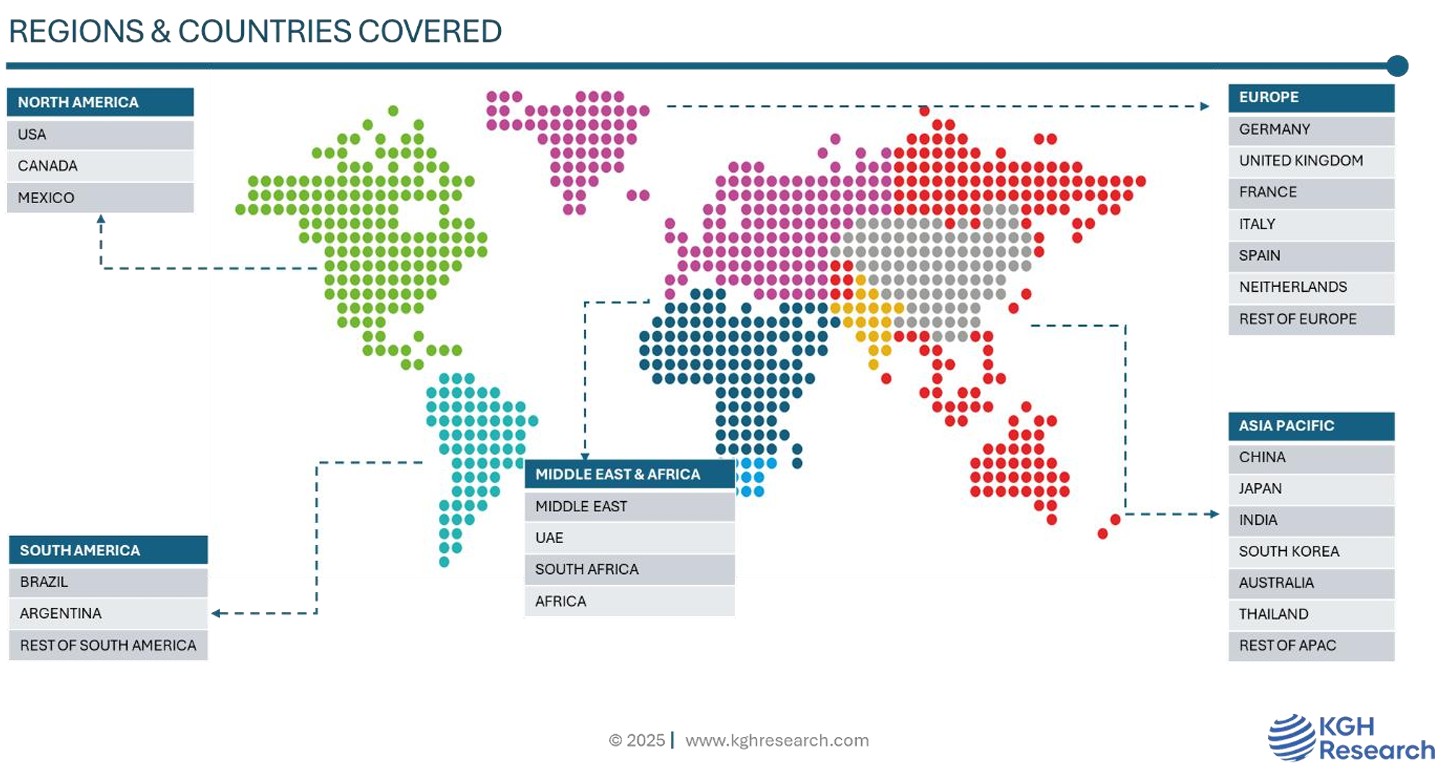
Regional: Market Insights
North America is the largest market for plant-based protein. This growth comes from health-conscious consumers, a strong demand for clean-label and sustainable food products, and a rapidly increasing vegan and flexitarian population. The region has a well-developed food and beverage industry and offers a wide range of plant-based options. Key players in the market include ADM, Cargill, and Ingredion. In the United States and Canada, more people are becoming aware of the environmental and health effects of animal-based proteins. This awareness has led to a surge in demand for plant-derived options in various areas, such as food, beverages, supplements, and personal care. Additionally, supportive government initiatives, a solid retail distribution network, and ongoing improvements in product formulation and taste have strengthened North America’s position as the top region in the global plant-based protein market.
Competition: Plan-Based Protein Market
The plant-based protein market is highly competitive, with key players focusing on innovation, product efficiency, and strategic partnerships to strengthen their market position. Major companies include ADM, Cargill, Ingredion Incorporated, Roquette Frères, Wilmar International Ltd., DuPont, DSM, Glanbia plc, Kerry Group PLC. These players are investing in R&D to develop plant-based protein tailored for food & beverage, animal feed, pharmaceutical, personal care & cosmetics, nutraceuticals, other applications, driving ongoing competition and technological advancement in the market.
ADM, Cargill, Ingredion Incorporated, Roquette Frères, Wilmar International Ltd., DuPont, DSM, Glanbia plc, Kerry Group PLC. are among the leading companies active in the market.
Archer Daniels Midland Company (ADM) is a major player in the plant-based protein market. It is well known for its extensive agricultural processing and creative ingredient solutions. Based in the United States, ADM offers a wide range of plant-based protein ingredients from sources like soy, pea, wheat, and other legumes. These ingredients serve many purposes, including meat alternatives, dairy substitutes, nutritional supplements, and snacks. With years of experience and strong sourcing networks worldwide, ADM delivers high-quality protein isolates, concentrates, and textured proteins. These products meet the growing demand for clean-label, sustainable, and allergen-free food choices. The company has invested heavily in research and development as well as production facilities. This includes its modern Protein Innovation Center and expanded pea protein facilities, which help it improve taste, texture, and nutrition. ADM’s focus on sustainability, traceability, and plant-based innovation has established it as an important contributor to the global trend toward plant-based diets.
PLANT-BASED PROTEIN MARKET SNAPSHOT | |
Market size in 2024 | USD 23.4 Billion |
Market forecast in 2032 | USD 43.8 Billion |
Compound Annual Growth Rate (2025-2032) | 8.1% |
Historical Data (Years) | 2022-2024 |
Forecast Data (Years) | 2025-2032 |
Growth Drivers | Increasing awareness of the health benefits associated with plant-based proteins, Rise of vegan and flexitarian diets, Food innovation and product availability Growing concern over the environmental impact of animal farming |
Segments Covered | Source, Type, Form, Application, Distribution Channel |
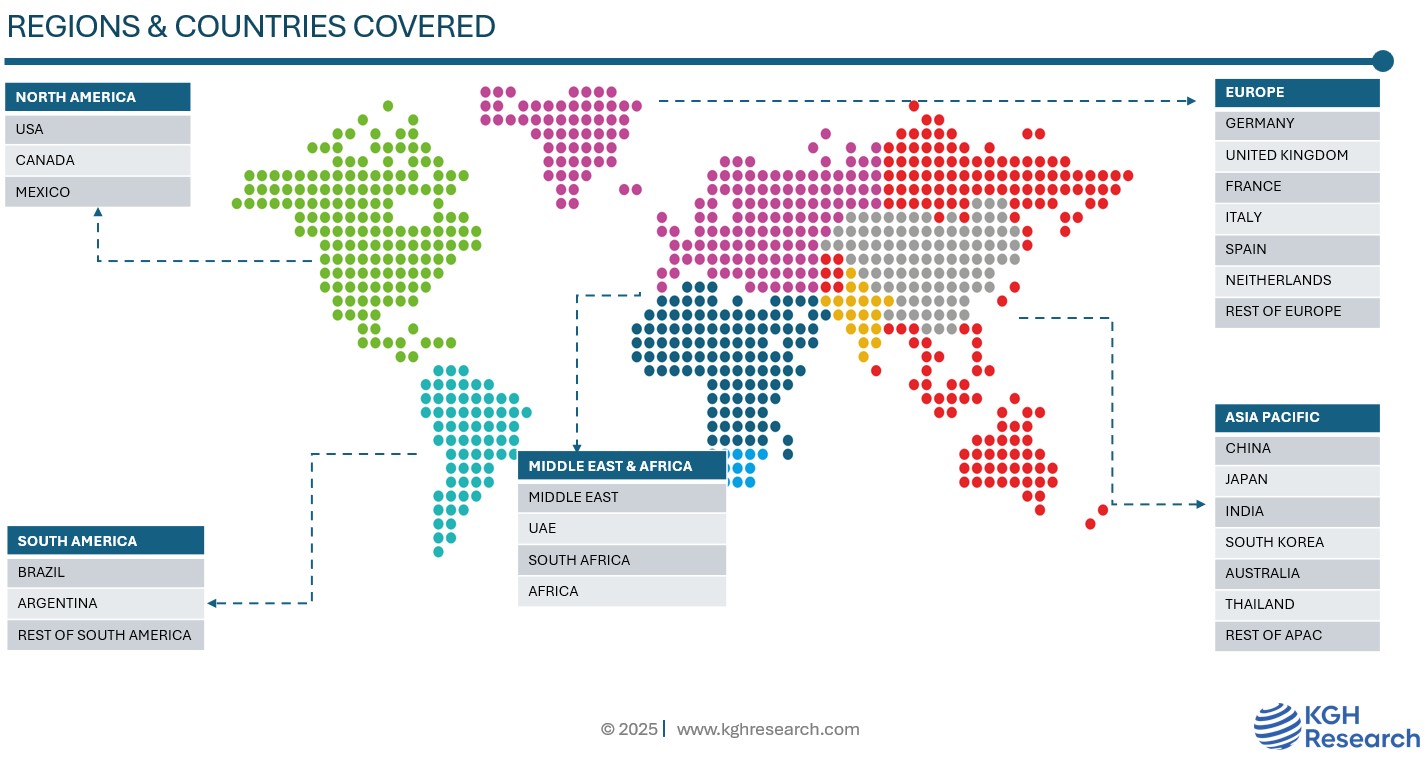
Regions Covered | North America, Europe, Asia Pacific, South America, Middle East & Africa |
Countries Covered | US, Canada, Mexico, UK, Germany, Italy, France, Spain, Netherlands, Spain, China, India, Japan, South Korea, Australia, Thailand, South Africa, UAE, Saudi Arabia, Brazil, Argentina |
Companies Profiled | ARCHER DANIELS MIDLAND COMPANY (ADM), CARGILL, INCORPORATED, DUPONT DE NEMOURS, INC., NOW FOODS, ROQUETTE FRÈRES, KERRY GROUP PLC, AXIOM FOODS INC., GLANBIA PLC, INGREDION INCORPORATED, CHS INC., BIOPRESS S.A.S, BURCON NUTRASCIENCE CORPORATION, THE SCOULAR COMPANY, AGT FOOD AND INGREDIENTS, WILMAR INTERNATIONAL LIMITED, TATE & LYLE PLC, KONINKLIJKE DSM N.V.
|