
Concrete Fiber Market (2022 - 2032)
CONCRETE FIBER MARKET SIZE & SHARE BY FIBER TYPE (STEEL FIBER, GLASS FIBER, SYNTHETIC FIBER, OTHER FIBERS), BY APPLICATION (PRECAST CONCRETE, SPRAYED CONCRETE, SLABS, OTHERS), BY END USE (INFRASTRUCTURE, BUILDING AND CONSTRUCTION, MINING AND TUNNEL, OTHERS) AND BY REGION & COUNTRY–FORECAST TO 2032
| Report Code: CON&M9001-0102 | Number of Pages: 400 | Report Format: PDF, EXCEL, PPT |
|---|---|---|
|
Trend Year: 2022 – 2024 |
Forecast Period: 2025 – 2032 |
Publish Date: AUGUST 2025 |
- Report Summary
-
Tables of Content
- Segmentation
- Methodology
- User License & Pricing
- Sample Copy
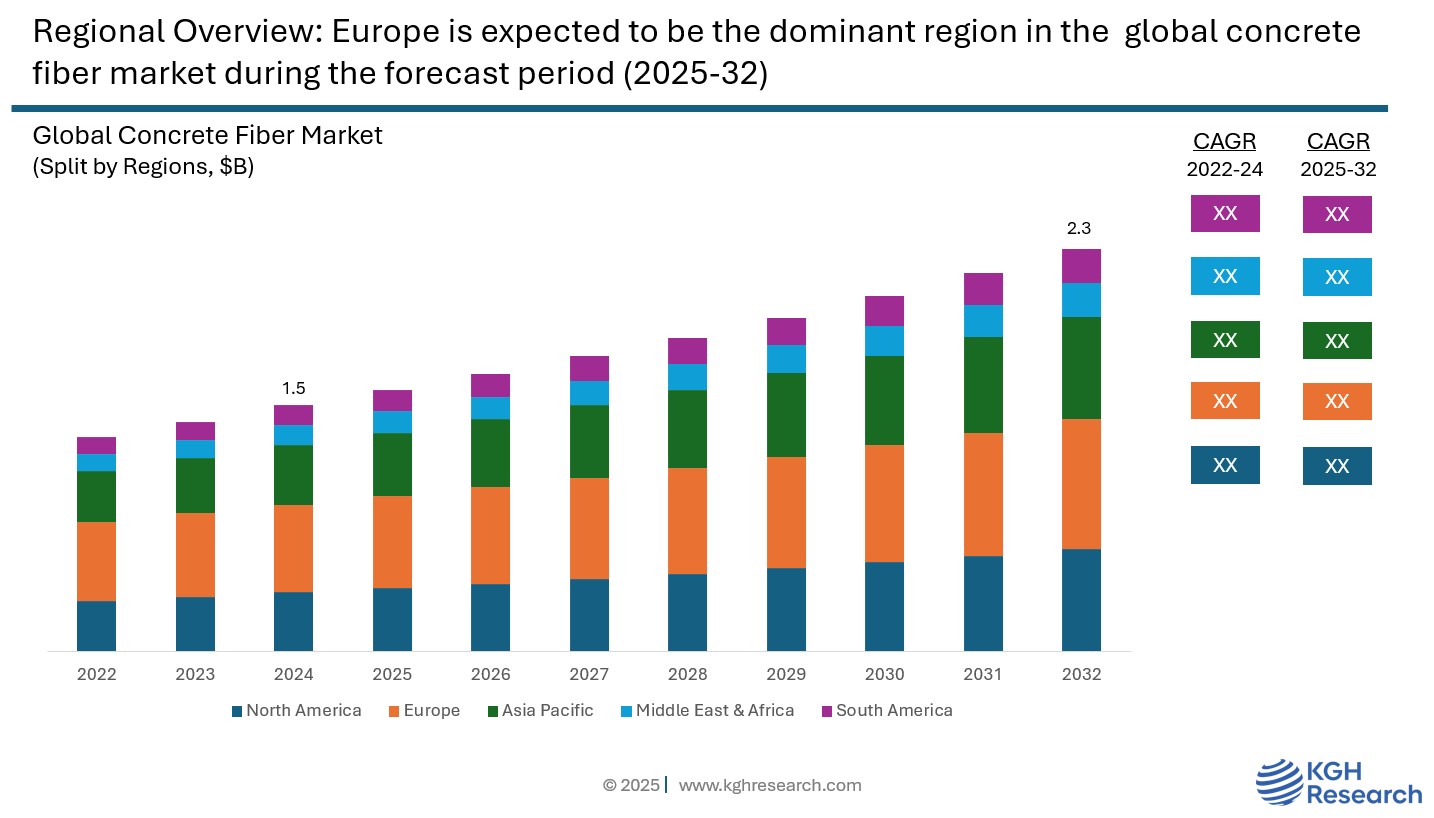
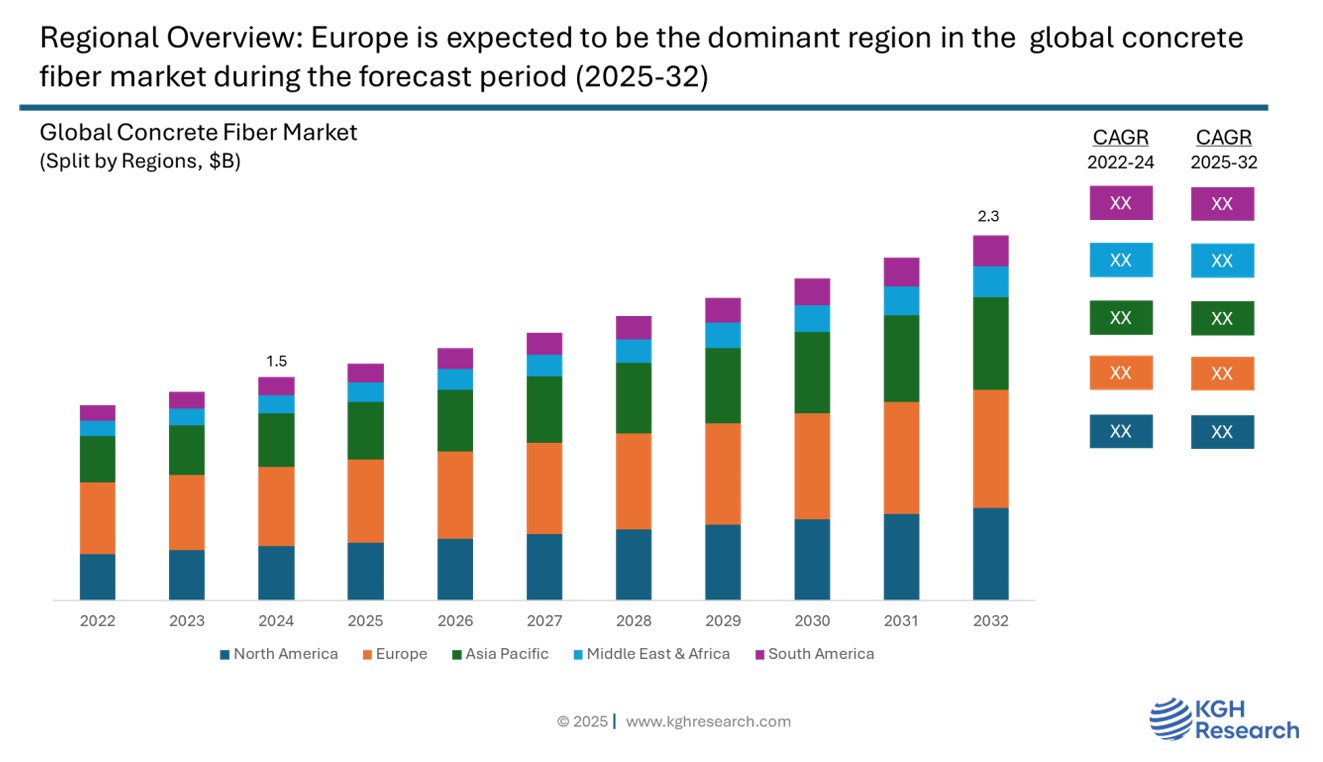
Market Overview: The global concrete fiber market was estimated at US $1.5 billion in 2024 and is projected to grow at a compound annual growth rate (CAGR) of 5.2% from 2025 to 2032 to reach $2.3 billion by 2032. The market is mainly fueled by stricter vehicle safety regulations in many countries. The market is driven by the rising demand for durable, high-performance construction materials in the infrastructure, commercial, and industrial sectors. Urbanization and infrastructure development are speeding up, especially in emerging economies. This has increased the need for crack-resistant and long-lasting concrete structures. Fiber-reinforced concrete is becoming more popular because it improves tensile strength, controls shrinkage cracking, and strengthens overall structural integrity. Moreover, the growing use of concrete fibers in mining and tunneling, particularly for sprayed concrete and shotcrete, is helping to expand the market. The increasing use of precast construction methods also raises demand, as fibers improve the performance of panels, pipes, and other precast parts.
MARKET DYNAMIC
GROWTH DRIVERS:
- Rapid urbanization and government investments in infrastructure development
- Increasing use of concrete fibre in underground construction and mining operations
- Rising emphasis on eco-friendly and long-lasting building materials.
- Demand for durable and crack-resistant concrete
NEW GROWTH OPPORTUNITIES:
- Infrastructure booms in Asia-Pacific, South America, and Africa offer strong growth potential
- Increasing adoption of precast concrete techniques boosts fiber use
- Opportunity 3
- Opportunity 4
MARKET RESTRAINTS:
- High initial cost
- Mixing & dispersion challenges
- Lack of standardization
- Limited awareness in emerging markets
GROWTH HURDLES:
- Price sensitivity in construction sector
- Technical skill gap
Fiber Type: Market Insights
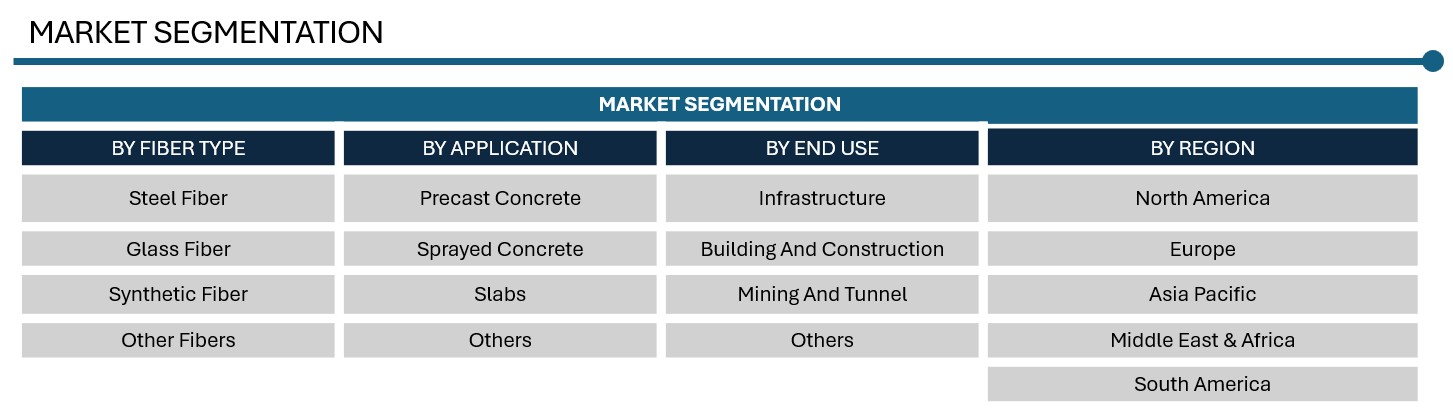
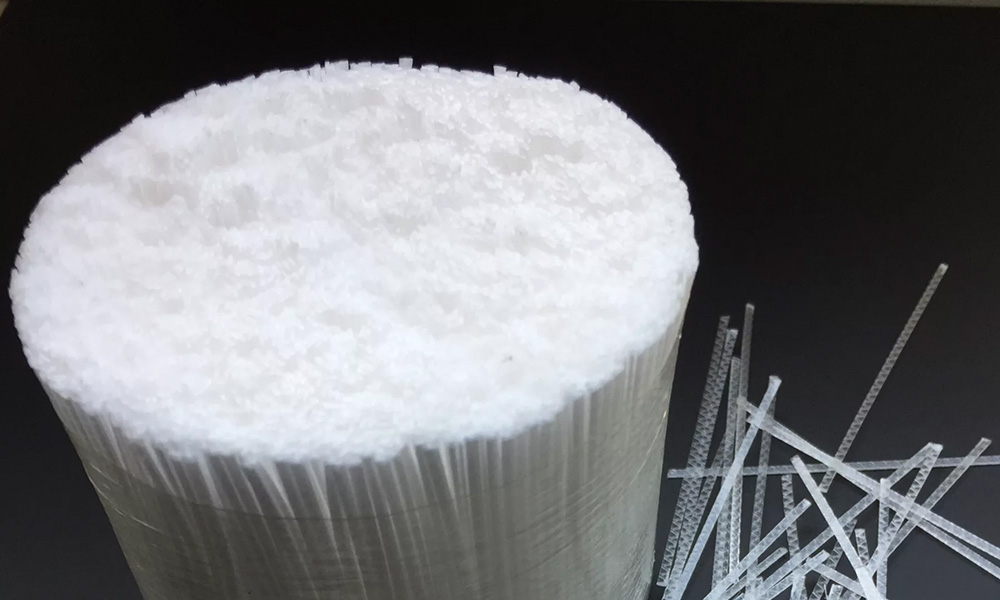
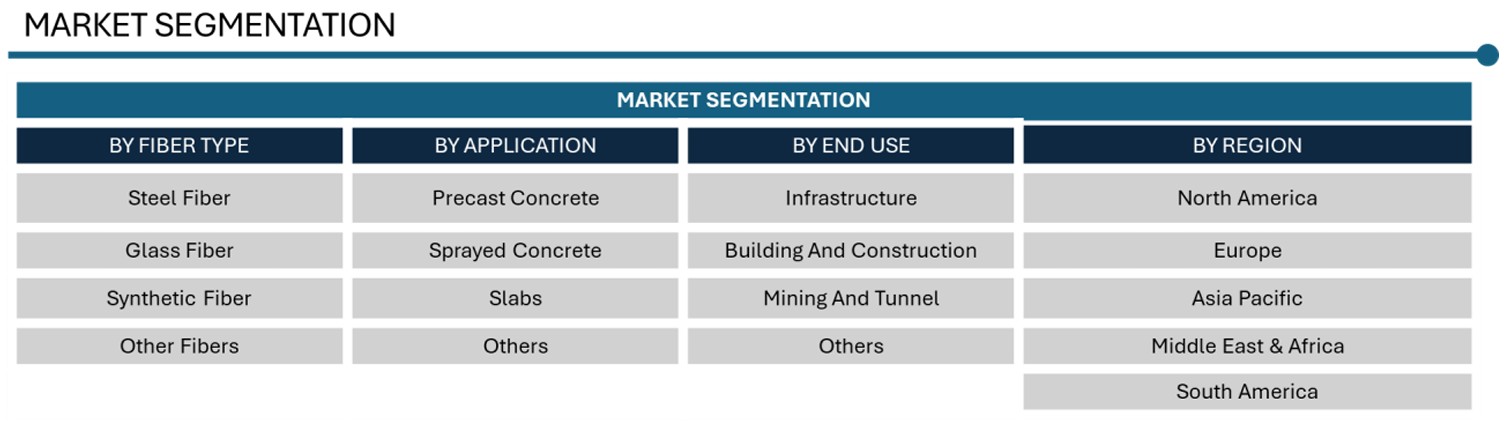
The global concrete fiber market, by fiber type, is segmented into steel fiber, glass fiber, synthetic fiber, and other fibers. Steel fibers are widely used due to their high tensile strength and ability to significantly improve the toughness and durability of concrete. They are commonly applied in industrial flooring, tunnel linings, and precast structures where load bearing and crack resistance are critical. Glass fibers, on the other hand, offer advantages such as being lightweight, corrosion-resistant, and suitable for decorative and architectural applications, particularly in precast panels and façade elements. Synthetic fibers, including polypropylene, nylon, and polyester, are increasingly popular due to their cost-effectiveness, resistance to moisture and chemicals, and their ability to control plastic shrinkage and enhance freeze-thaw durability. These are commonly used in residential, commercial, and road construction. Lastly, other fibers include natural options like jute, coir, and hemp, which are gaining interest for their sustainability and biodegradability, as well as specialized fibers like carbon fibers used in advanced or high-performance applications. Each fiber type offers unique properties that cater to specific construction needs and project requirements.
Application: Market Insights
The global concrete fiber market is divided by application into precast concrete, sprayed concrete, slabs, and others. Among these, precast concrete has a significant share because of its extensive use in infrastructure and commercial projects. Fiber-reinforced precast components like pipes, wall panels, tunnel segments, and paving blocks benefit from better mechanical strength, impact resistance, and dimensional stability. Fibers help reduce shrinkage cracks during curing and transportation, ensuring they last longer. Sprayed concrete, commonly used in tunnelling, mining, and slope stabilization, uses fiber reinforcement to improve ductility, toughness, and energy absorption. In shotcrete applications, fibers lower rebound, which is the material loss during spraying. They also improve adherence to irregular surfaces and provide structural stability in the early curing stages, which is essential for underground construction. Slabs, especially in industrial flooring, warehouses, parking structures, and pavements, use concrete fibers to prevent cracking from heavy loads, thermal expansion, and drying shrinkage. Fiber reinforcement in slabs can eliminate or reduce the need for traditional steel mesh, saving both time and cost. The others category includes niche or emerging applications like overlays, repair mortars, architectural features, and decorative concrete, where adding fibers improves aesthetics, strength, and longevity. Each application area plays a unique role in the increasing use of concrete fibers as an effective alternative to traditional reinforcement methods.
End Use: Market Insights
The global concrete fiber market, based on end use, is divided into infrastructure, building and construction, mining and tunnel, and others. The infrastructure sector is a key driver of fiber use since governments around the world invest heavily in roads, bridges, highways, dams, airports, and railways. Fiber-reinforced concrete (FRC) is preferred for these projects because it can improve load-bearing capacity, reduce cracking, and extend the concrete’s lifespan in tough conditions. In the building and construction segment, fibers are increasingly used in residential, commercial, and industrial buildings, especially for slabs, walls, foundations, and precast elements. Using fibers in this segment helps reduce shrinkage cracking, improve fire resistance, and lower overall maintenance costs. The mining and tunnel segment greatly benefits from fiber-reinforced sprayed concrete (shotcrete), which is crucial for stabilizing tunnel walls and underground structures. The fibers improve ductility and toughness; limit rebound during spraying and enhance safety and longevity in underground projects. The others category covers applications like industrial flooring, pavements, slope stabilization, military structures, and repair work. Across all segments, the rising demand for durable, efficient, and cost-effective reinforcement solutions is driving the growth of the concrete fiber market.
Regional: Market Insights
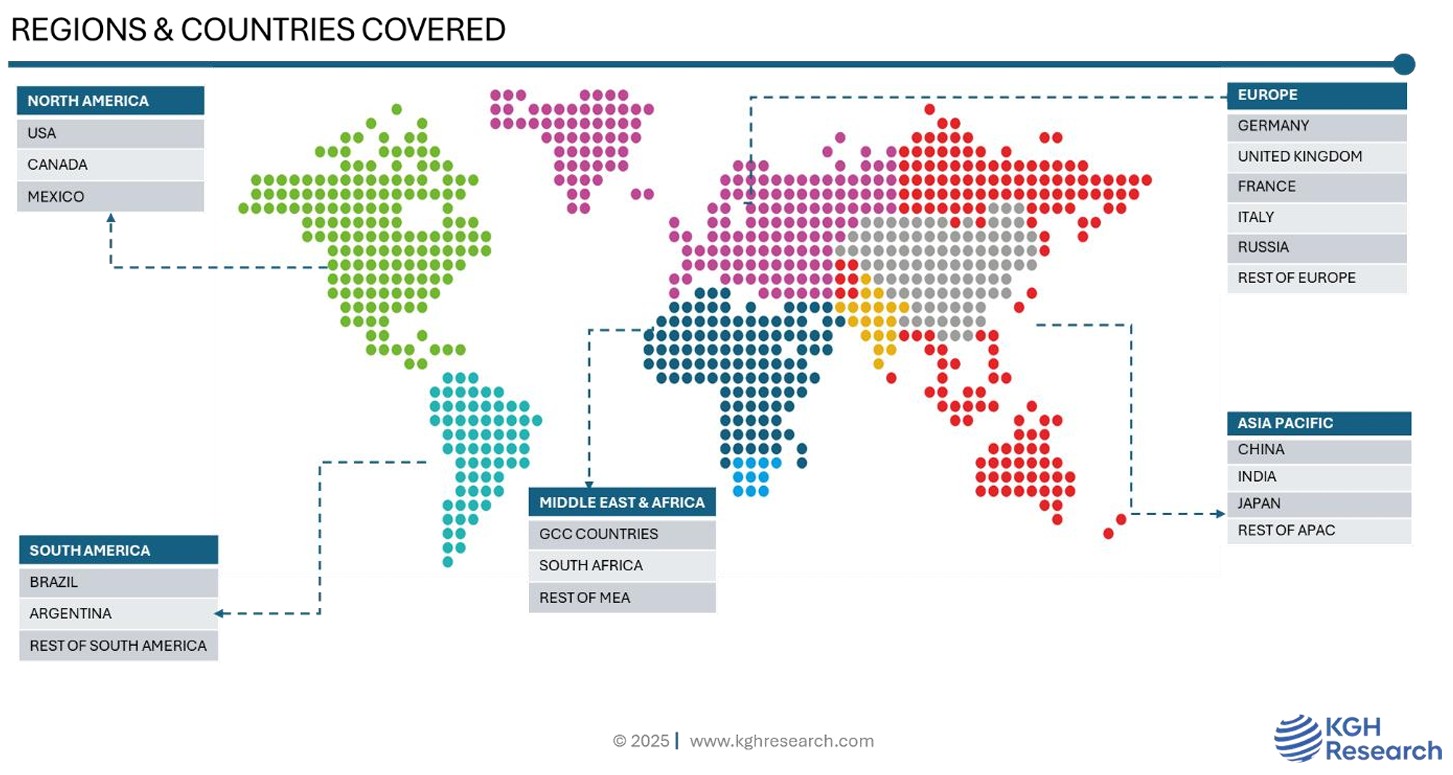
Europe leads the global concrete fiber market due to its strong construction technologies, solid regulations, and emphasis on sustainability and innovation. Countries like Germany, France, the United Kingdom, Italy, and the Netherlands have well-developed infrastructure sectors. They are leading the way in using fiber-reinforced concrete (FRC) in various applications, such as roads, tunnels, bridges, industrial flooring, and precast structures. One key reason for Europe’s strong position is its strict building codes and safety rules. These regulations require the use of high-quality and durable construction materials. This has led to the widespread use of concrete fibers, particularly in projects that need high durability, resistance to cracking, and lower maintenance. Infrastructure modernization projects, such as high-speed rail networks, urban transit systems, and smart city initiatives, further increase the demand for effective concrete reinforcement materials like fibers.
Europe is also a leader in sustainable building practices. As the region aims for lower carbon emissions and greener buildings, concrete fibers, especially natural and synthetic options, are increasingly being used to replace or lessen the need for traditional steel reinforcements. This change supports Europe’s goals for carbon neutrality and fits with EU policies that promote a circular economy and energy-efficient construction. The region also has a well-established precast concrete industry, which often uses fibers to improve structural performance and lower production costs. With the growing demand for modular and offsite construction across Europe, fiber-reinforced concrete is crucial for driving innovation and industrial efficiency. Overall, Europe’s mix of leading regulations, technological advances, environmental commitment, and industrial strength firmly establishes it as the top region in the global concrete fiber market.
Competition: Concrete Fiber Market
The concrete fiber market is very competitive. Several global and regional players are working hard to gain market share through product innovation and strategic partnerships. Key manufacturers are focusing on developing fiber materials that improve concrete performance, including strength, durability, and crack resistance. Many companies are investing significantly in research and development to introduce new fiber types, such as hybrid, self-healing, or eco-friendly fibers. This push aims to meet the increasing demand for sustainable construction solutions. Companies are also forming partnerships with construction firms, infrastructure developers, and ready-mix concrete producers to expand their distribution networks and market presence. Manufacturers are striving to improve production efficiency, cut costs, and make it easier to integrate fibers into concrete mixes. Some are offering custom fiber solutions for specific applications like tunneling, precast segments, industrial flooring, or 3D-printed concrete structures. Geographic expansion into emerging markets is also a priority, especially in Asia-Pacific, the Middle East, and Latin America. These regions are seeing significant growth in construction activity and urban development. Overall, competition in the concrete fiber market revolves around performance, reliability, pricing, sustainability, and customization. Leading players are continually innovating to meet the changing needs of the industry. Key companies include, BASF, SIKA AG, GCP Applied Technologies Inc., The Euclid Chemical Company, RPM International, ABC Polymer Industries, Bekaert SA, CEMEX S.A.B. de C.V., Ozinga Bros., Inc.
BASF SE is one of the top companies in the global market for concrete fiber, utilizing its expertise in chemical and materials sciences to develop innovative and high-performing solutions for the construction sector. Headquartered in Ludwigshafen, Germany, BASF has a global production, research, and technical support network that places it in a good position to service customers in all geographies and segments of the market. In concrete fibers, BASF has the Master Builders Solutions brand, which encompasses a broad suite of construction chemical and admixture products, including fiber reinforcement products. BASF’s synthetic and steel fibers are designed to enhance the durability, tensile strength, and crack resistance of concrete in the industrial flooring, precast, shotcrete, and infrastructure product markets. BASF fibers are cross-linked to help enhance workability, reduce shrinkage cracking, and increase the life cycle of concrete products to adhere to the market’s growing demands for sustainable and long-lasting construction products. BASF also invests heavily in R&D and innovation, specifically geared toward sustainable construction and low carbon products. When developing concrete fiber products, BASF often integrates its performance-enhancing concrete admixture products with its fiber products, to provide the customer with a comprehensive product system which best optimizes the cost, quality, and performance of the final product.
Sika AG is one of the most reputable companies in the global concrete fiber industry, serving as the benchmark for innovation, performance materials, and brand recognition worldwide. Based in Switzerland, Sika AG is a specialist in construction chemicals and industrial materials and a major player in concrete admixtures and fiber reinforced concrete. Sika AG has a complete range of synthetic and steel fibers to improve durability, crack-resistance, and the structural integrity of concrete. Sika AG’s focus on research & development allows them to consistently bring new advanced fiber technologies to market that keep pace with new construction industry requirements. Sika AG’s concrete fiber products have robust usage in infrastructure, industrial flooring, tunneling, and precast construction schemes. With a formidable portfolio of acquisitions, global expansion, and sustainably focused efforts, Sika AG is likely to turnover the most value to the fiber reinforced concrete technologies in the future.
CONCRETE FIBER MARKET SNAPSHOT | |
Market Size In 2025 | USD 1.5 BILLION |
Market Forecast In 2032 | USD 2.3 BILLION |
Compound Annual Growth Rate (2025-2032) | 5.2% |
Historical Data (Years) | 2022-2024 |
Forecast Data (Years) | 2025-2032 |
Region Dominance | Europe |
Growth Driver | Rapid urbanization and government investments in infrastructure development Increasing use of concrete fiber in underground construction and mining operations Rising emphasis on eco-friendly and long-lasting building materials. Demand for durable and crack-resistant concrete |
Segments Covered | BY FIBER TYPE, BY APPLICATION, BY END USE, AND BY REGION & COUNTRIES |
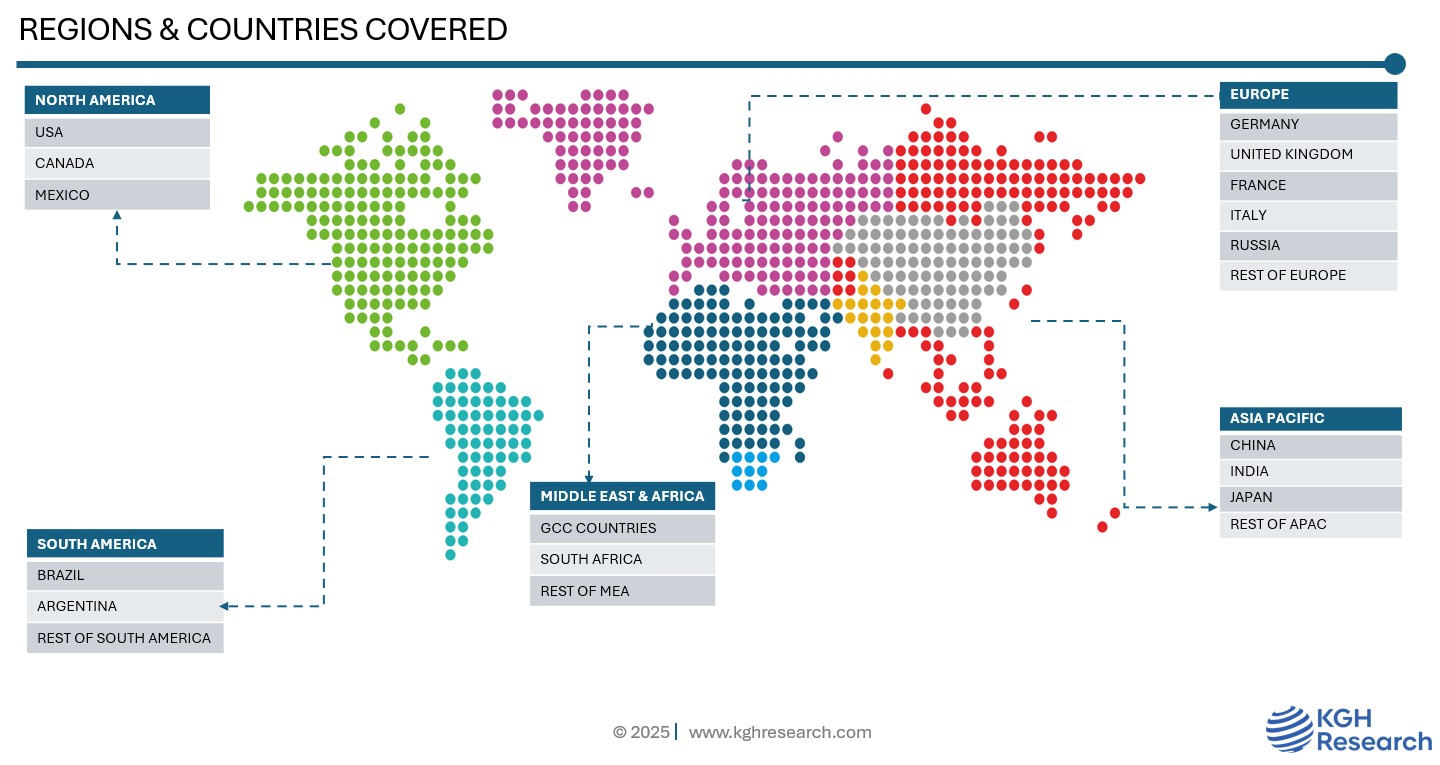
Regions Covered | NORTH AMERICA, EUROPE, ASIA PACIFIC, SOUTH AMERICA, MIDDLE EAST & AFRICA |
Countries Covered | USA, CANADA, MEXICO, UK, GERMANY, FRANCE, RUSSIA, ITALY, REST OF THE EUROPE, CHINA, INDIA, JAPAN, AUSTRALIA, REST OF APAC, BRAZIL, ARGENTINA, REST OF THE WORLD |
Companies Profiled (25+) | BASF, SIKA AG, GCP APPLIED TECHNOLOGIES INC., THE EUCLID CHEMICAL COMPANY, RPM INTERNATIONAL, ABC POLYMER INDUSTRIES, BEKAERT SA, CEMEX S.A.B. DE C.V., OZINGA BROS., INC, OWENS CORNING, HEIDELBERGCEMENT, NYCON CORPORATION, BARCHIP PTY LTD, FIBERCON INTERNATIONAL INC., AND MANY MORE. |