
Energy Efficient Motor (2022 - 2032)
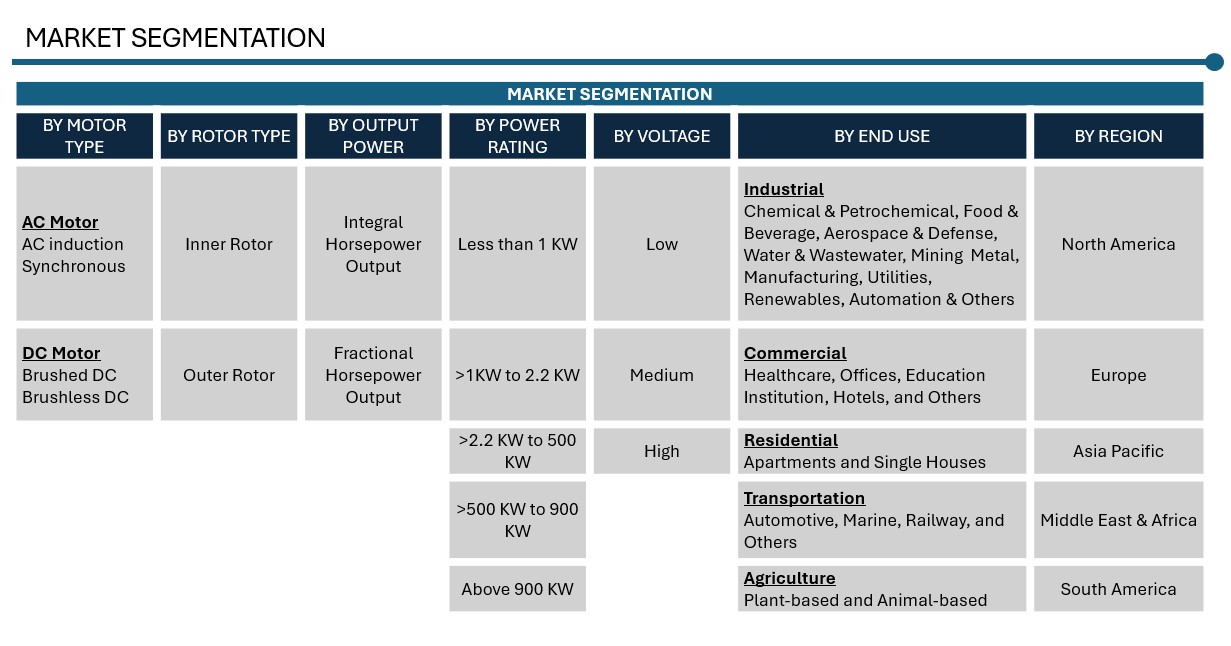
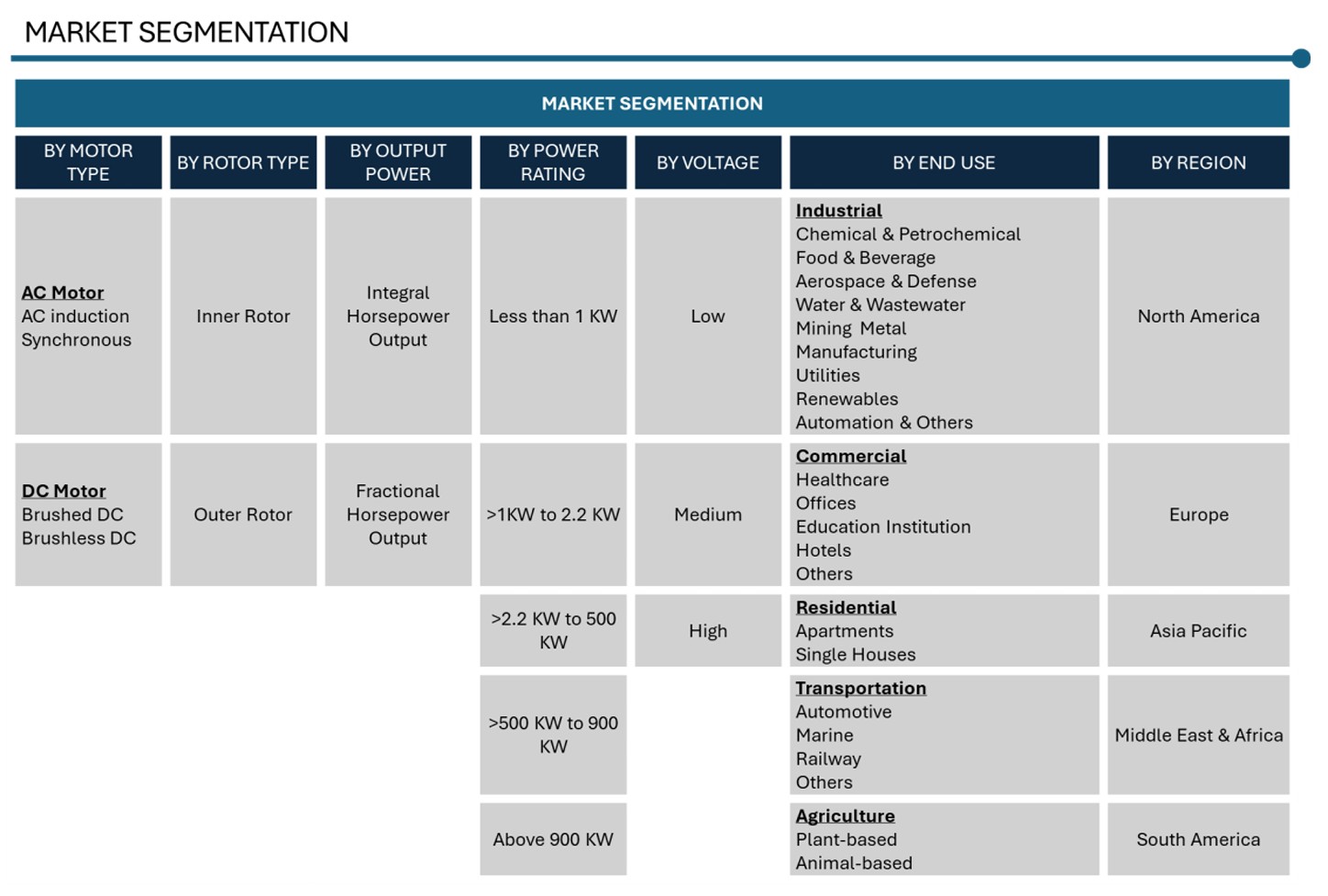
ENERGY EFFICIENT MOTOR MARKET SIZE & SHARE BY TYPE (AC, DC), INSTALLATION TYPE (ODP MOTOR, TEFC MOTOR), BY EFFICIENCY LEVEL (IE1, IE2, IE3, IE4, IE5) BY POWER OUTPUT RATING (375 KW), BY APPLICATION (PUMPS, FANS, COMPRESSOR, REFREGERATION, HVAC, MATERIAL HANDLING, MATERIAL PROCESSING), BY END USE (INDUSTRIAL, COMMERCIAL, RESIDENTIAL, AUTOMOTIVE, AGRICULTURE, AEROSPACE & DEFENSE) AND BY REGION & COUNTRY – FORECAST TO 2032
| Report Code: E&P4014-0713 | Number of Pages: 240 | Report Format: PDF, EXCEL, PPT |
|---|---|---|
|
Trend Year: 2022 – 2024 |
Forecast Period: 2025 – 2032 |
Publish Date: OCTOBER 2025 |
- Report Summary
-
Tables of Content
- Segmentation
- Methodology
- User License & Pricing
- Sample Copy
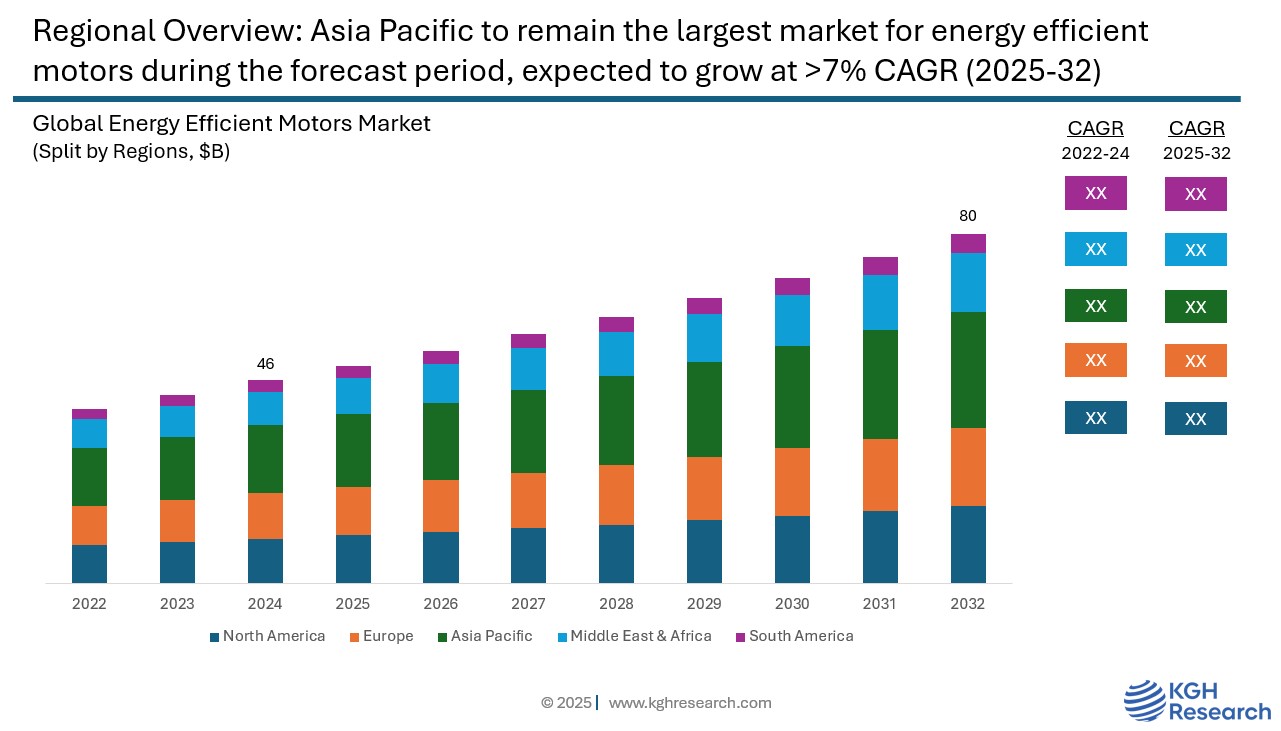
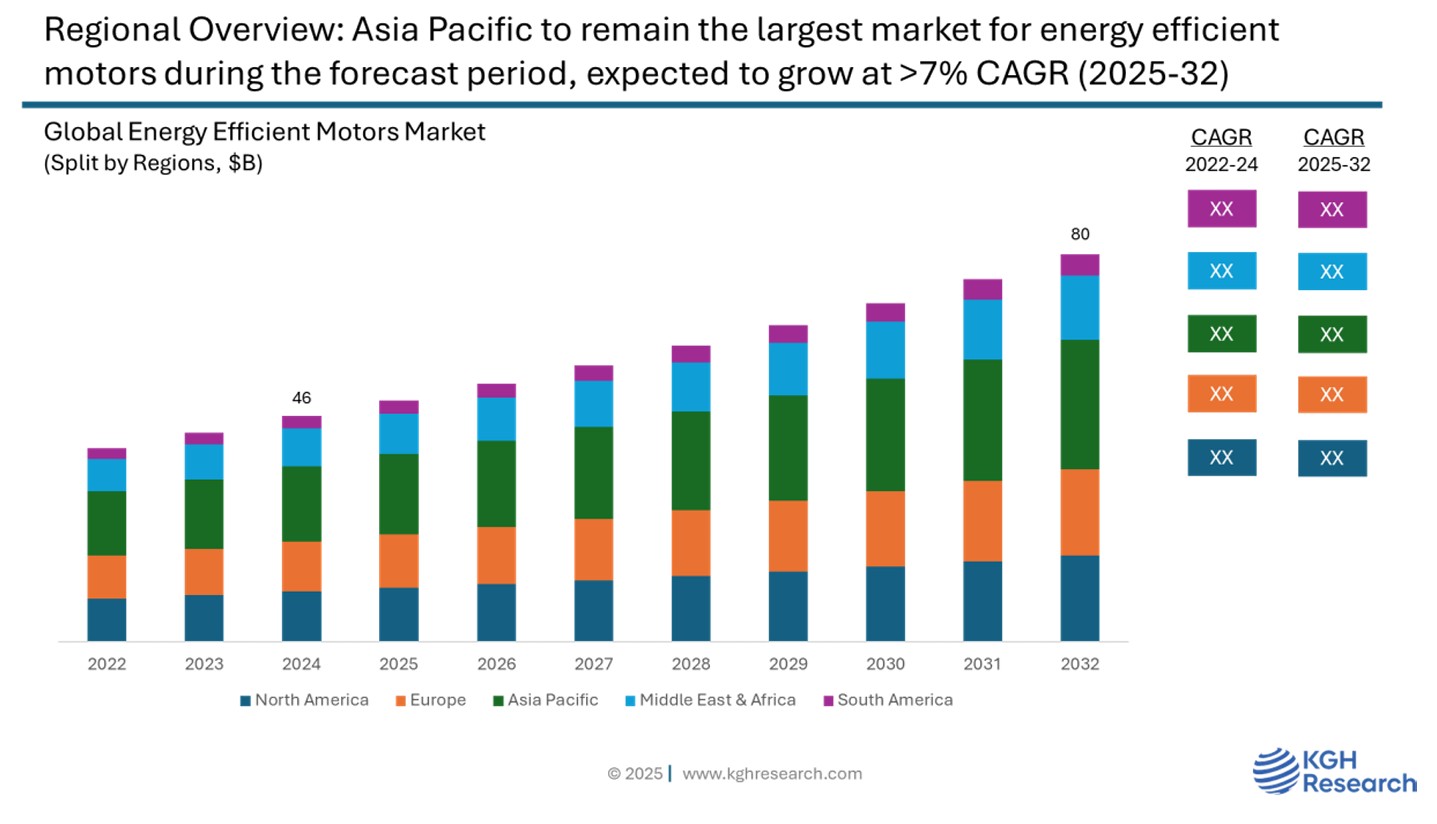
Market Overview: The global energy efficient motors market was valued at approximately USD 46 billion in 2024 and is projected to grow at a compound annual growth rate (CAGR) of 7.0% from 2025 to 2032. The world energy efficient motors market is seeing tremendous growth due to increased awareness of saving energy and the ensuing pressure to become sustainable across all industries. Regulatory pressures from governments along with efficiency standards necessitate the use of more advanced, energy-efficient motor technologies, forcing industries to shift from conventional models. Spontaneous industrial growth across industries like manufacturing, HVAC, water treatment, and oil & gas has driven the demand for motors that have lower operational expenses through decreased energy expenditure. Organizations also find themselves increasingly driven by financial rewards of lower electricity bills and better lifecycle costs achieved through energy efficient motors. Environmental issues and the necessity to lower carbon emissions further fuel this trend, while technology, in terms of smart motors and IoT-based systems, further improves performance and monitoring, leading to energy-efficient motors being the choice of preference globally.
MARKET DYNAMIC
GROWTH DRIVERS:
- Government-led initiatives promoting the use of energy-efficient motors
- Rising electricity costs encouraging the adoption of low-energy consumption solutions
- Expansion of industrial automation
- Growing awareness of sustainability initiatives
NEW GROWTH OPPORTUNITIES:
- Rapid industrialization and electrification in emerging economies, such as India, Brazil, and ASEAN nations offer untapped potential
- Supportive subsidies and incentive programs for green technologies
- Integration of IoT and smart technologies for predictive maintenance and monitoring
MARKET RESTRAINTS:
- High initial cost
- Lack of awareness among small and medium enterprises
- Limited availability of skilled workforce
GROWTH HURDLES:
- Trade tensions, tariffs, and geopolitical instability likely to strain global supply chain and impact energy efficient motor manufacturing cost
- Compatibility issues in upgrading existing systems with new motors
- Supply chain disruptions impacting raw material availability and costs
Motor Type: Market Insights
By motor type, AC motors account for the largest market share. Their widespread use across industrial, commercial, and residential applications—combined with high efficiency, durability, and compatibility with variable speed drives makes them the preferred choice in energy-efficient motor solutions. The rising demand for automated and energy-efficient systems, especially in industries such as HVAC, water treatment, oil & gas, and manufacturing, is further driving the adoption of AC motors. Additionally, advancements in motor control technologies, such as variable frequency drives (VFDs), have significantly improved the efficiency and flexibility of AC motors, making them even more attractive for modern energy-conscious operations.
Output Power Rating: Market Insights
Based on power rating, the market is categorized into <1 kW, 1–2.2 kW, 2.2–375 kW, and >375 kW segments. Motors rated above 375 kW are designed to handle heavy-duty operations and perform reliably in demanding environments. Their exceptional efficiency and durability make them ideal for critical applications where downtime must be minimized or completely avoided.
Application: Market Insights
The pumps segment is projected to hold the largest market share during the forecast period. Three-phase AC induction motors, widely used in commercial and industrial applications, are driving this growth. Factors such as stringent energy efficiency regulations in developed nations, a growing emphasis on smart water and wastewater management systems and expanding global power generation capacities are expected to boost the adoption of energy-efficient motors in pump applications.
End Use: Market Insights
By end user, the industrial segment led the global energy-efficient motor market in 2022. Growing environmental awareness and stringent energy consumption regulations have prompted industries to adopt energy-efficient motors to reduce both carbon emissions and operational costs. Advancements in motor technologies, such as variable frequency drives and smart motor system enhance efficiency and offer precise control, making them highly attractive for sectors aiming to boost productivity. Additionally, economic advantages like lower energy bills and extended motor lifespan further position energy-efficient motors as a smart long-term investment. These factors are expected to continue driving market growth throughout the forecast period.
Regional: Market Insights
The Asia-Pacific (APAC) region leads the global energy-efficient motor market, fueled by rapid industrial growth, urban expansion, and large-scale infrastructure development in major economies such as China, India, Japan, and Southeast Asian countries. The rising demand from manufacturing sectors, including automotive, electronics, textiles, and food processing—has driven the need for energy-efficient technologies to reduce power consumption and operational costs.
Increasing electricity tariffs and environmental concerns have further pushed both governments and private players to adopt energy-saving motor systems. Regional authorities are enforcing strict energy efficiency regulations and introducing incentives to promote the use of green technologies. Initiatives such as India’s Perform, Achieve and Trade (PAT) program and China’s energy efficiency goals are motivating industries to transition toward high-efficiency motors.
Additionally, ongoing investments in areas like smart cities, renewable energy projects, water management systems, and infrastructure upgrades are creating significant growth opportunities. Backed by robust economic progress, proactive policy support, and rising awareness of sustainable practices, APAC is expected to maintain its dominant position in the energy-efficient motor market throughout the forecast period.
Competition: Energy Efficient Motors
The Energy Efficient Motor market is highly competitive, with key players focusing on innovation, product efficiency, and strategic partnerships to strengthen their market position. Major companies include NIDEC Corporation, Siemens, ABB Ltd., Wolong Electric Group, Regal Rexnord Corp. These players are investing in R&D to develop advanced motors tailored for applications in automotive, consumer electronics, HVAC, medical, manufacturing industries, driving ongoing competition and technological advancement in the market.
NIDEC Corporation, Siemens, ABB Ltd., Wolong Electric Group, Regal Rexnord Corporation, are among the leading companies active in the market.
Nidec Corporation is one of the global leaders in the design, manufacture, and sale of ENERGY EFFICIENT MOTORs and related components. The company has strong presence in the energy-efficient motor market. The company offers a wide portfolio ranging from small precision motors to large industrial and automotive-grade systems. Nidec has been at the forefront of energy efficiency, producing IE3-compliant motors since 2011 and advancing toward IE4 and IE5 standards. Its industrial motors, including innovative synchronous reluctance and switched reluctance (SR) motors, are designed for high performance in demanding applications, offering improved efficiency and reduced energy consumption.
ABB Group is another key player headquartered in Zürich, Switzerland) stands as a global leader in energy-efficient motor technology. Its Motion business offers an extensive lineup of low‑voltage and medium‑voltage motors, drives, generators, and digital powertrain solutions. ABB’s IE5 synchronous reluctance and EC Titanium motors exemplify ultra-premium efficiency, offering up to 40% lower energy losses compared to IE3 induction motors. These magnet-free designs deliver high performance with environmental benefits, particularly in pump, fan, HVAC, and compressor applications.
ENERGY EFFICIENT MOTORS MARKET SNAPSHOT | |
Market size in 2024 | USD 46 Billion |
Market forecast in 2032 | USD 80 Billion |
Compound Annual Growth Rate (2025-2032) | 7.0% |
Historical Data (Years) | 2022-2024 |
Forecast Data (Years) | 2025-2032 |
Market Drivers | Government-led initiatives promoting the use of energy-efficient motors Rising electricity costs encouraging the adoption of low-energy consumption solutions Expansion of industrial automation Growing awareness of sustainability initiatives |
Segments Covered | Type, Installation Type, Energy Efficiency level, Power Output Rating, Application, End Use, And Region |
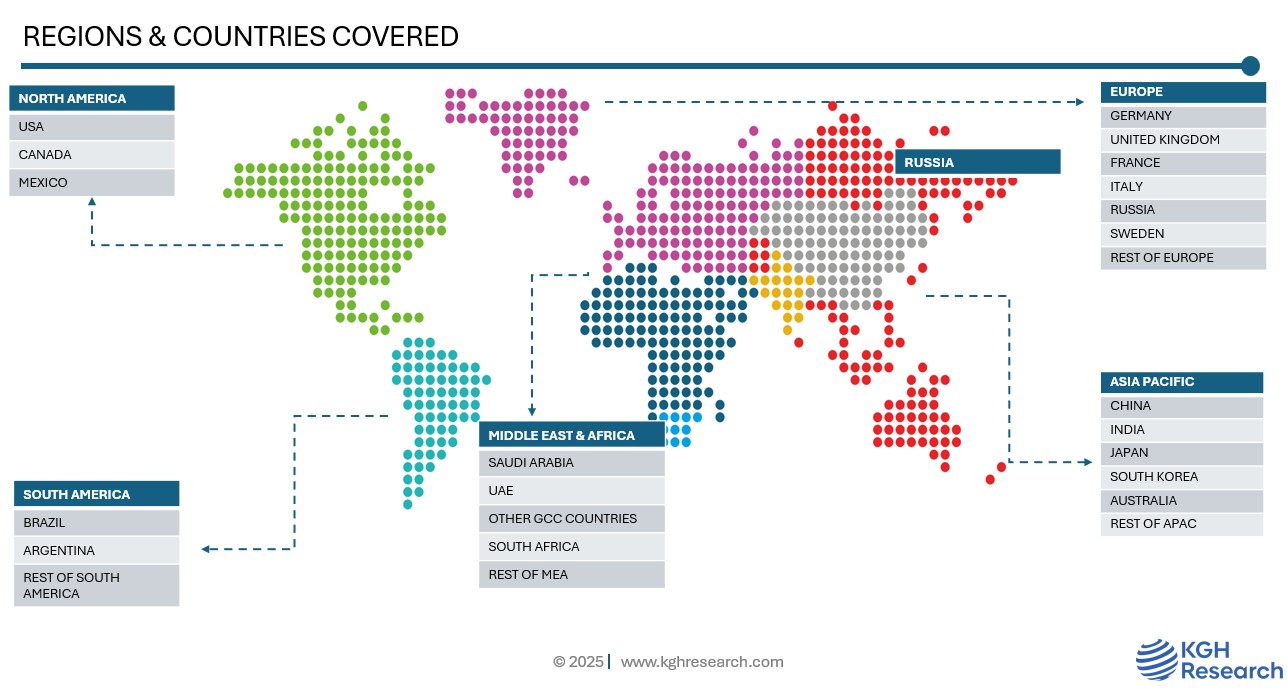
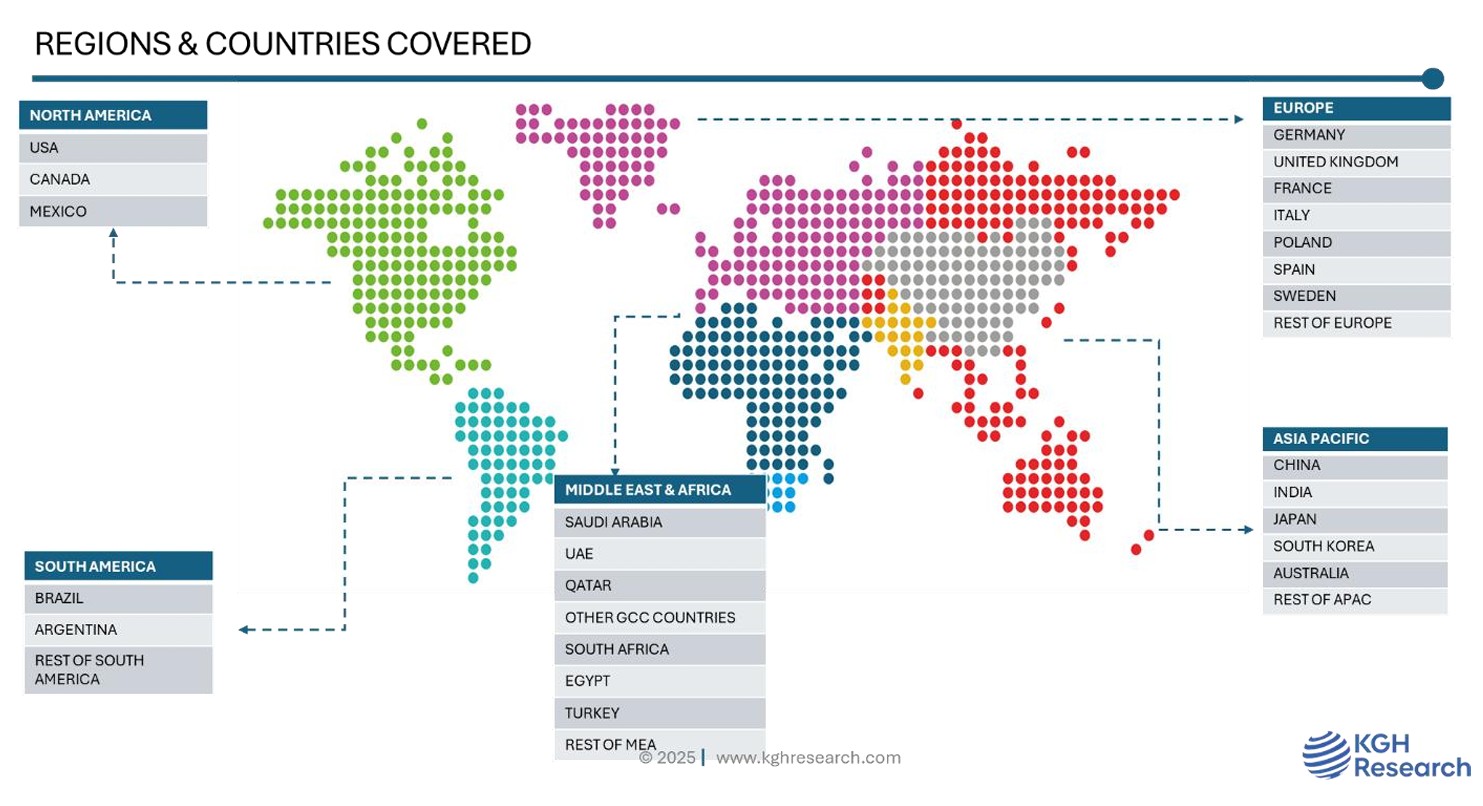
Regions Covered | North America, Europe, Asia Pacific, South America, Middle East & Africa |
Countries Covered | US, Canada, Mexico, UK, Germany, Italy, France, Spain, Poland, China, India, Japan, South Korea, Australia, UAE, South Africa, Saudi Arabia, Egypt, Turkey, Brazil, Argentina |
Companies Profiled | HAVELLS, ABB, MITSUBISHI ELECTRIC, SIEMENS, ELEKTRIM MOTORS, REGAL REXNORD CORPORATION, WEG, SHANGHAI TOP MOTOR CO., LTD., WOLONG, TOSHIBA INTERNATIONAL CORPORATION PTY LTD., MENZEL ELEKTROMOTOREN GMBH, KIRLOSKAR ELECTRIC, ELEKTRIM MOTORS, SHANGHAI TOP MOTOR CO., LTD., HAVELLS, BHARAT BIJLEE, OME MOTORS, ROCKWELL AUTOMATION, INTEGRATED ELECTRIC CO., PVT. LTD., MITSUBISHI ELECTRIC |