
Even short disruptions can cause data loss, system errors, and costly downtime in AI operations.
At KGH Research,
We track all the key megatrends shaping the respective industry & its impact on client’s business.
From Backup to Backbone: Why Generators Are Becoming Core AI Data Center Infrastructure
Introduction
As artificial intelligence changes digital infrastructure, one important component is gaining new significance, generators. Traditionally viewed as emergency backup systems, data center generators are now becoming essential to critical power infrastructure.
AI-driven facilities need constant, reliable power to support high-performance computing. With increased rack densities and workload reliance, even a slight power interruption can lead to major operational and financial setbacks. Consequently, generators are transitioning from passive backup systems to active, strategic assets in modern data centers.
From Backup Power to Continuous Resilience
In traditional data centers, generators mainly served as a last line of defense during outages. Their role was limited to providing temporary support until the main power supply returned.
However, this approach doesn’t work in AI-driven environments. Modern ai data center power systems require a steady energy supply at all times. Generators are now part of the overall power framework, ensuring continuous resilience instead of just occasional backup.
This change shows the increasing need for reliable infrastructure that can handle mission-critical workloads.
From Redundancy to AI-Grade Uptime
Traditional data centers focused on redundancy, where backup systems would kick in only after a failure. While this was adequate for standard applications, AI workloads need a higher level of reliability.
AI systems operate with ultra-high rack density and process large amounts of data in real time. Even short interruptions can disrupt training sessions, corrupt data, or hurt performance.
To meet these needs, critical power infrastructure is being redesigned to achieve near-zero downtime. Generators are now part of an integrated system that ensures seamless power continuity, supporting AI-grade uptime requirements.
Generators as Strategic Infrastructure Assets
The role of data center generators is changing from support equipment to strategic infrastructure. Rather than remaining idle much of the time, generators are now key components in maintaining operational stability.
They are increasingly used with advanced power management systems, grid support solutions, and energy optimization strategies. In some cases, generators are even being combined with renewable energy systems to improve efficiency and sustainability.
This shift positions generators as a vital part of the future of AI data center power design.
Conclusion:
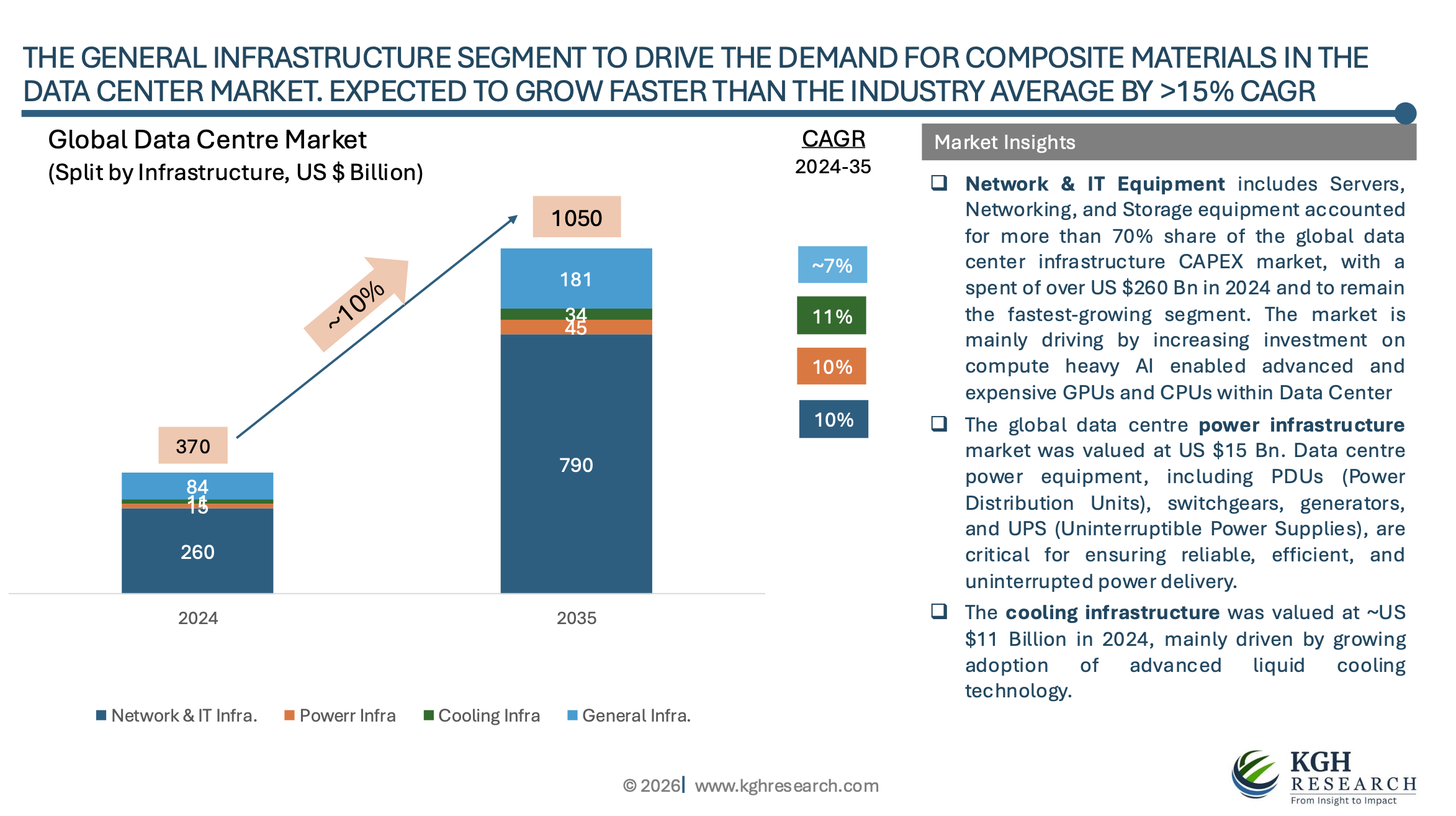
One of the most interesting insights emerging from the study is how AI clusters are significantly increasing power density, redundancy requirements, and backup power architecture, creating new demand dynamics for high-capacity generators, advanced UPS systems, and resilient power distribution infrastructure.
The rise of AI is changing how data centers think about power infrastructure. What was once just a backup solution is now becoming a basic part of operations.
Data center generators are no longer merely emergency tools; they are strategic assets that support continuous resilience, enable AI-grade uptime, and strengthen overall ai data center power systems.
As AI adoption grows, the need for strong critical power infrastructure will keep increasing, shaping the next era of digital facilities.
Frequently Asked Questions
1. What are data center generators used for?
Data center generators provide backup and increasingly continuous power support to ensure uninterrupted operations.
2. Why are generators becoming critical in AI data centers?
AI workloads require constant power, making generators essential for maintaining stable AI data center power.
3. How are generators different from traditional backup systems?
Earlier used only during outages, generators are now part of continuous critical power infrastructure.
4. What happens if power fails in an AI data center?
5. Why do AI data centers need higher power reliability?
High-density servers and GPUs run continuously, requiring stable and uninterrupted electricity supply.
6. Are generators used alongside other power systems?
Yes, they work with UPS systems, grid connections, and energy management solutions for reliability.
7. How is AI changing power infrastructure design?
AI is driving the need for stronger critical power infrastructure, with generators playing a central role.