
Nuclear Medicine Equipment Market (2022 - 2032)
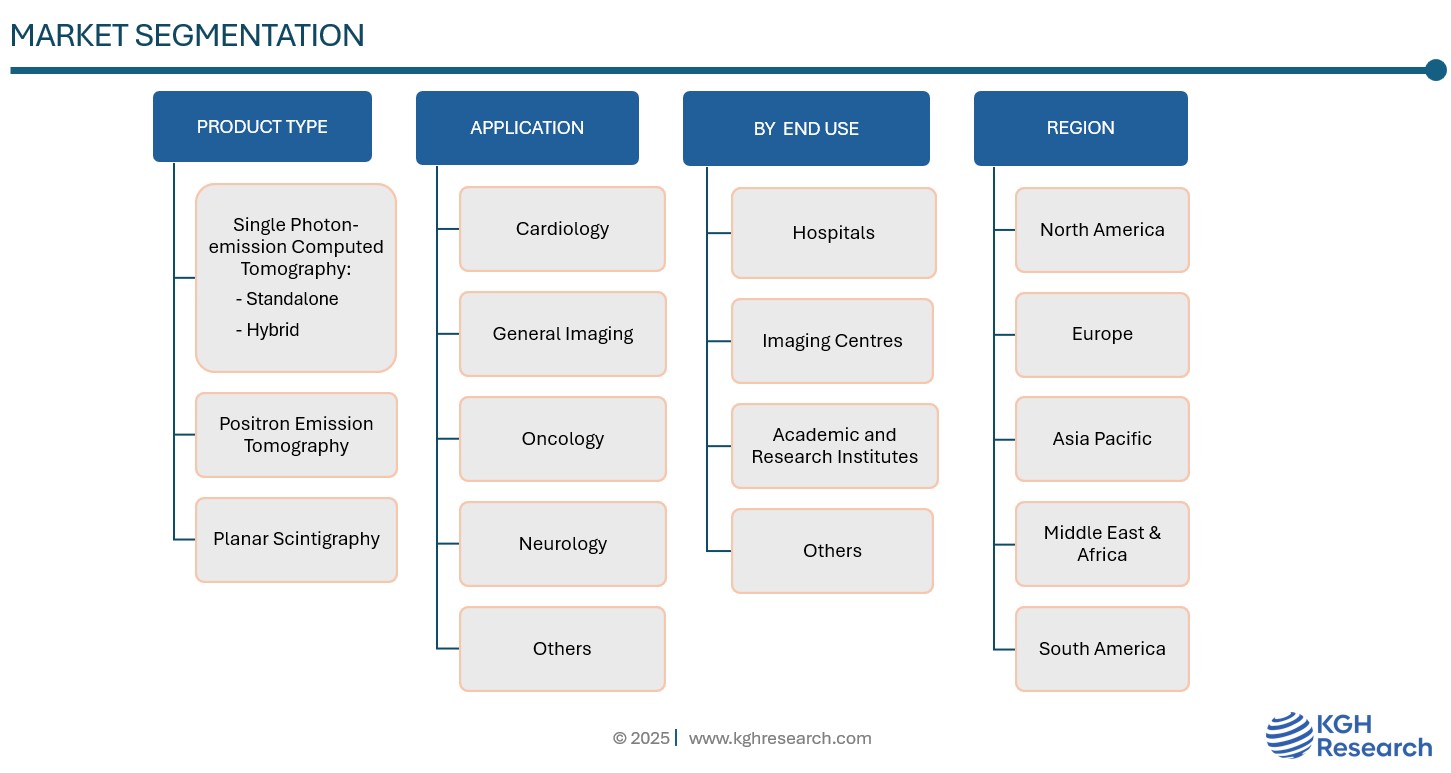
NUCLEAR MEDICINE EQUIPMENT MARKET SIZE & SHARE BY PRODUCT TYPE (SINGLE PHOTON-EMISSION COMPUTED TOMOGRAPHY, POSITRON EMISSION TOMOGRAPHY, PLANAR SCINTIGRAPHY), BY APPLICATION (CARDIOLOGY, GENERAL IMAGING, ONCOLOGY, NEUROLOGY, OTHERS) BY END USE (HOSPITALS, IMAGING CENTRES, ACADEMIC AND RESEARCH INSTITUTES) AND BY REGION & COUNTRY – FORECAST TO 2032
| Report Code: M&H5002-0501 | Number of Pages: 400+ | Report Format: PDF, EXCEL, PPT |
|---|---|---|
|
Trend Year: 2022 – 2024 |
Forecast Period: 2025 – 2032 |
Publish Date: SEPTEMBER 2025 |
- Report Summary
-
Tables of Content
- Segmentation
- Methodology
- User License & Pricing
- Sample Copy
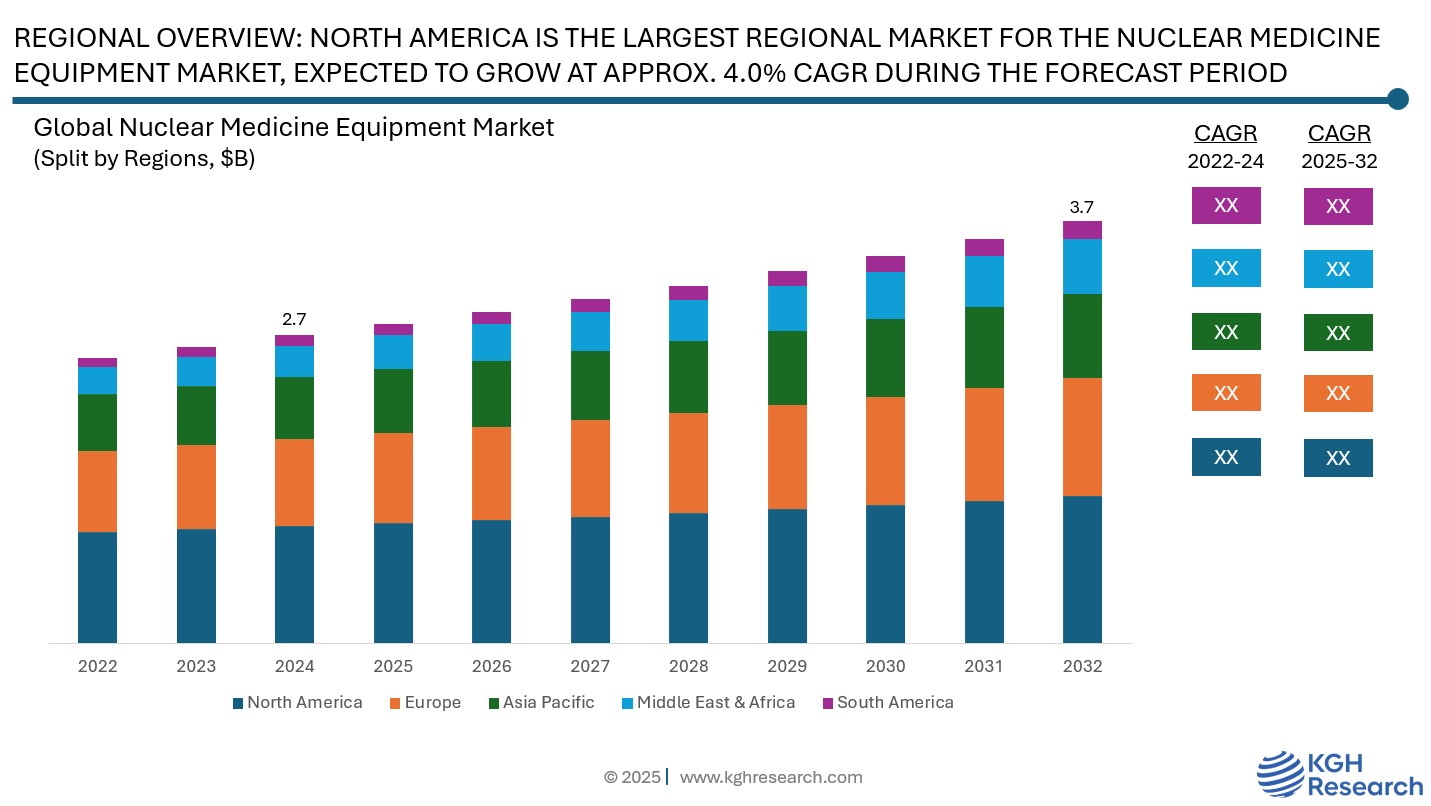
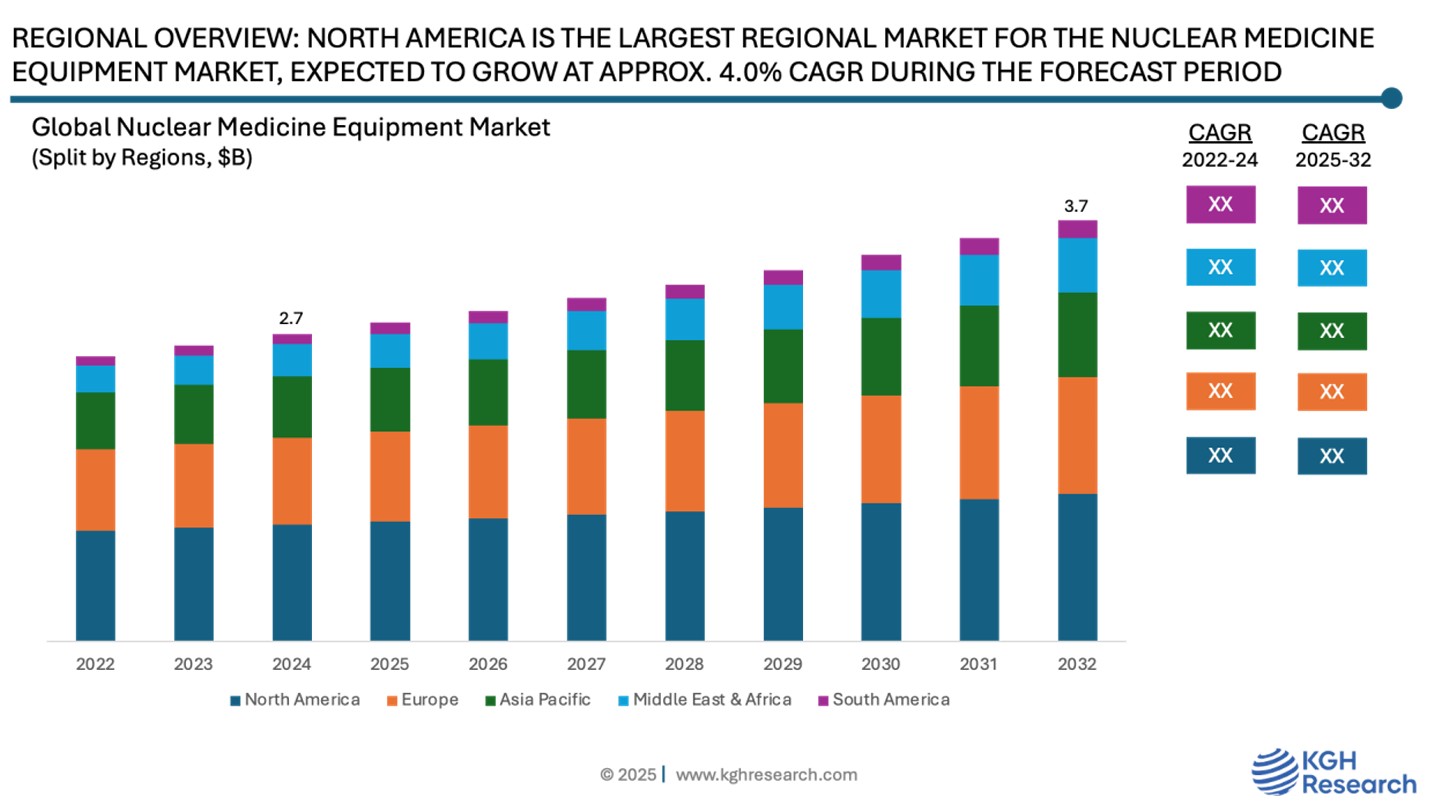
Market Overview: The global nuclear medicine equipment market was valued at approximately USD 2.7 billion in 2024 and is projected to grow at a compound annual growth rate (CAGR) of 4.1% from 2025 to 2032. The market is driven by several key factors. A major factor is the increasing number of chronic diseases, including cancer, heart problems, and neurological conditions. These diseases need early and precise diagnostic imaging. The demand for early disease detection and tailored treatment has made nuclear imaging an important part of modern healthcare. New technology, such as hybrid imaging systems like PET/CT and SPECT/CT, along with digital detectors and AI-based imaging improvements, is greatly enhancing diagnostic accuracy and efficiency.
MARKET DYNAMIC
GROWTH DRIVERS:
- Rising burden of chronic diseases
- Technological innovation
- Growing geriatric population with age-related diseases
- Supportive reimbursement frameworks and government initiatives
NEW GROWTH OPPORTUNITIES:
- Theragnostic and personalized medicine
- Emerging markets such as Asia-Pacific, MEA with rising healthcare infrastructure and investment present high-growth potential
- Advancements in digital, AI-embodied devices and compact formats can broaden accessibility
MARKET RESTRAINTS:
- High initial and operational costs
- Stringent regulations and safety protocols
- Isotope supply challenges
GROWTH HURDLES:
- Competition from MRI and CT imaging
- Lack of trained technologists, nuclear medicine specialists, and radio pharmacists impedes wider deployment
- High compliance costs and slow approval processes
Product Type: Market Insights
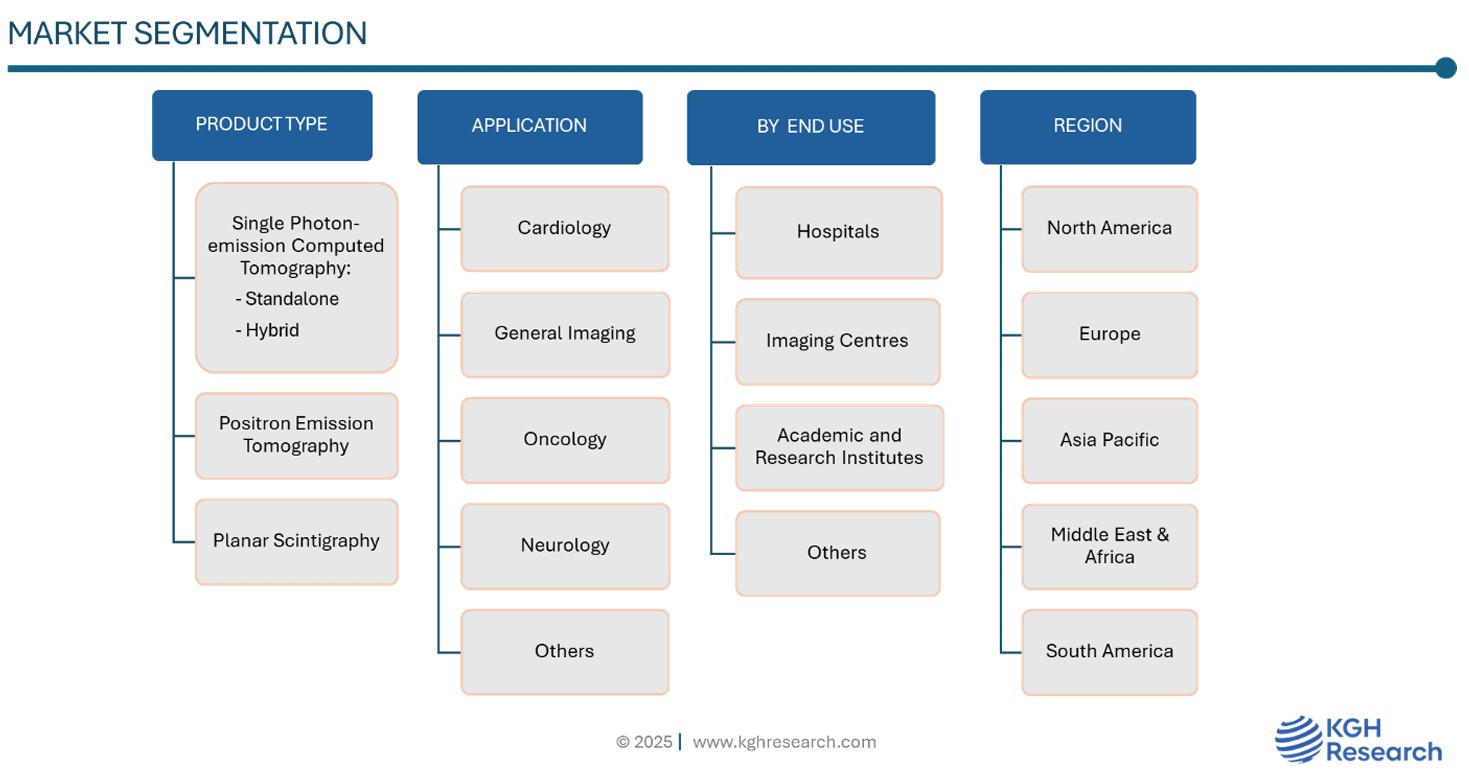
In the global nuclear medicine equipment market, the product types include Single Photon-Emission Computed Tomography (SPECT), Positron Emission Tomography (PET), and Planar Scintigraphy. SPECT systems lead the market because they have a wide range of uses in cardiology, oncology, and neurology. They are also cost-effective and readily available. PET systems are quickly gaining popularity thanks to their higher sensitivity and resolution, which allow them to detect metabolic activity at the cellular level. This makes them very effective for cancer diagnosis and treatment monitoring. Planar Scintigraphy, one of the earliest types of nuclear imaging, is still used for basic imaging tasks but is slowly being replaced by newer hybrid systems. Each of these product types is important for diagnosing, monitoring, and planning treatment for various diseases. Ongoing technological improvements are driving demand and innovation in this area.
Application: Market Insights
In the global nuclear medicine equipment market, the applications are divided into cardiology, general imaging, oncology, neurology, and others. Cardiology is a major segment, fueled by the widespread use of nuclear imaging techniques like SPECT for assessing myocardial perfusion and coronary artery disease. Oncology also plays a key role, with nuclear medicine, especially PET and PET/CT—being vital for detecting, staging, and monitoring various cancers. Neurology applications are growing quickly, as nuclear imaging helps diagnose and track neurological disorders such as Alzheimer’s disease, Parkinson’s disease, and epilepsy. General imaging covers various organ systems for functional assessment and disease evaluation. The other category includes emerging and specialized applications, such as orthopedics and endocrine imaging. The rising incidence of chronic diseases, along with improvements in radiopharmaceuticals and imaging technologies, continues to boost demand across all application areas.
End Use: Market Insights
In the global nuclear medicine equipment market, the market is divided by end use into hospitals, imaging centers, academic and research institutes, and others. Hospitals make up the largest end-user group because they have high patient volumes, provide a wide range of diagnostic services, and can invest in cutting-edge nuclear imaging technologies like PET/CT and SPECT/CT systems. Imaging centers are experiencing fast growth since they offer specialized and cost-effective diagnostic services. This trend makes nuclear imaging more available, especially for outpatient care. Academic and research institutes use nuclear medicine equipment mainly for clinical research, drug development, and teaching. Their efforts help improve imaging techniques and radiopharmaceuticals.
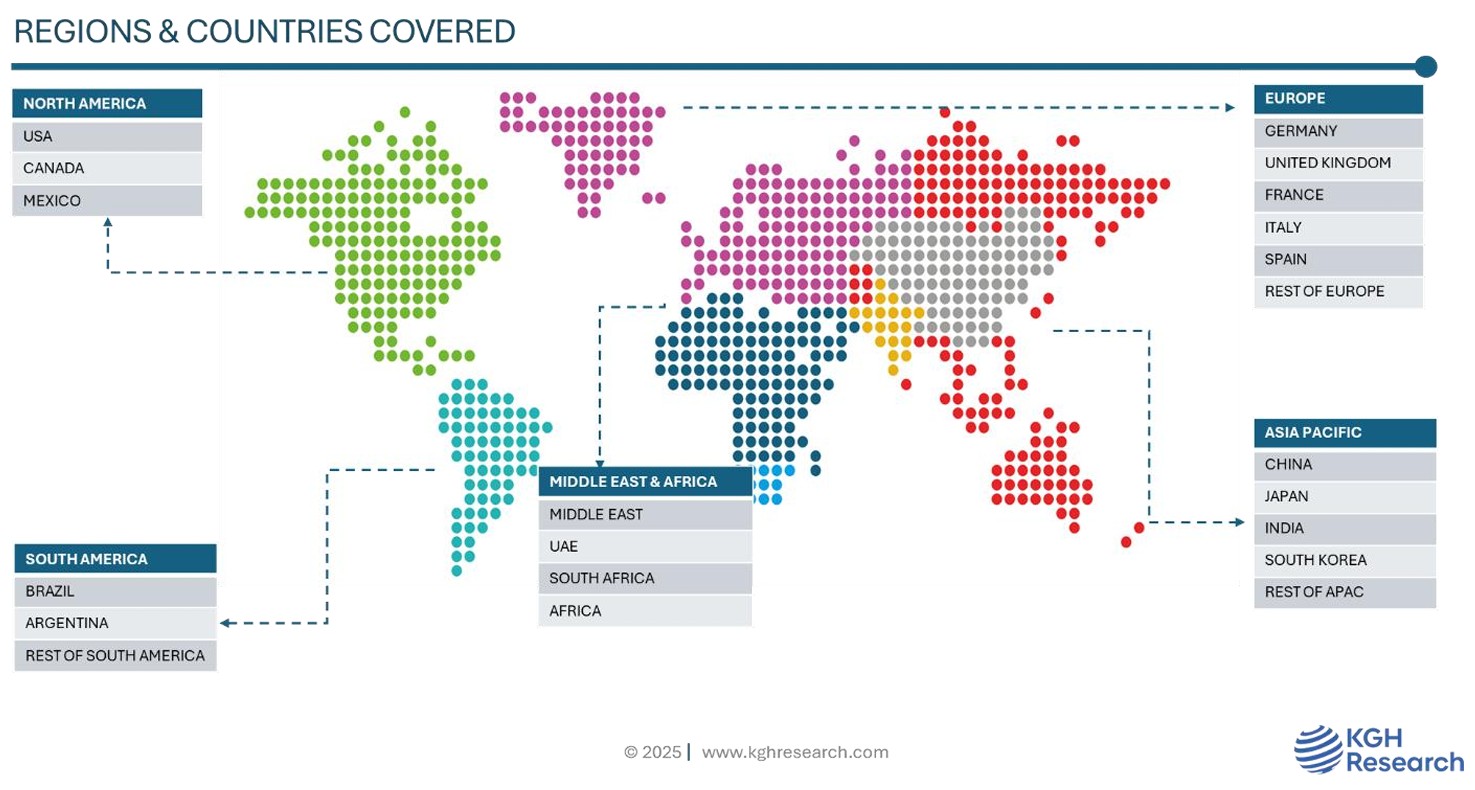
Regional: Market Insights
North America leads the global nuclear medicine equipment market, holding the largest regional share. This leadership comes from a mix of technology, infrastructure, and clinical factors. The region, especially the United States, has a highly developed healthcare system that emphasizes early disease diagnosis and personalized treatment. This environment is perfect for adopting nuclear imaging technologies like PET, SPECT, and hybrid systems such as PET/CT and SPECT/CT. A key reason for this dominance is the high rates of chronic and lifestyle-related diseases, particularly cancer, heart issues, and neurological problems. These conditions need frequent and detailed diagnostic imaging. For instance, nuclear imaging is vital for cancer detection, staging, and monitoring treatment responses, especially with the increased use of PET scans. The growing elderly population, who are more likely to develop these conditions, adds to the demand for advanced imaging solutions in the region. Beyond clinical needs, strong regulatory support and favorable reimbursement policies greatly promote the use of nuclear medicine equipment. Agencies like the U.S. Food and Drug Administration (FDA) and the Centers for Medicare & Medicaid Services (CMS) support and fund procedures that involve nuclear imaging, making them more accessible to patients. These policies encourage hospitals and imaging centers to invest in newer imaging technologies.
North America also has many major market players and radiopharmaceutical suppliers, including GE HealthCare, Siemens Healthineers, and Nordion. These companies produce imaging equipment and provide a steady supply of radiopharmaceuticals, which are crucial for effective nuclear medicine procedures. Additionally, North America is a center for research and innovation in nuclear medicine, with many academic and research institutions working on developing new radiotracers and imaging protocols. Another factor is the ongoing technological progress and significant investment in research and development within the region. The use of artificial intelligence (AI) and machine learning in imaging platforms is improving diagnostic accuracy, shortening scan times, and streamlining workflows. These innovations are quickly being implemented in clinical settings across the U.S. and Canada, keeping the region at the forefront of global medical imaging developments. Moreover, the expansion of radiopharmaceutical production capabilities, particularly in response to global supply chain issues, has improved the reliability and sustainability of nuclear imaging in North America. This reduces reliance on aging international reactors and ensures steady access to isotopes like Technetium-99m and Fluorine-18, which are critical for SPECT and PET imaging.
North America’s leadership in the nuclear medicine equipment market stems from a strong healthcare system, advanced imaging infrastructure, supportive regulatory and reimbursement policies, high prevalence of diseases, a strong industrial presence, and a constant flow of innovation. These elements work together to keep the region as the global leader in nuclear medicine technology and its clinical applications.
Competition: Nuclear Medicine Equipment Market
The Nuclear Medicine Equipment market is highly competitive, with key players focusing on innovation, product efficiency, and strategic partnerships to strengthen their market position. Major companies include Koninklijke Philips N.V., Siemens Healthineers, GE Healthcare, Digirad Corporation, Mediso Medical Imaging Systems Ltd., Surgiceye GmbH, Toshiba Medical Systems Corporation, DDD-Diagnostic A/S, Neusoft Medical Systems Co., Ltd., CMR Naviscan Corporation. These players are investing in R&D to develop Nuclear Medicine Equipment systems tailored for hospitals, diagnostic labs, pharmaceutical & biotech, veterinary, research institutes and other applications, driving ongoing competition and technological advancement in the market.
Koninklijke Philips, Siemens Healthineers, GE Healthcare, Digirad Corporation, Mediso Medical Imaging Systems Ltd., Surgiceye GmbH, Toshiba Medical Systems Corporation, DDD-Diagnostic A/S, Neusoft Medical Systems Co., Ltd., CMR Naviscan Corporation are among the leading companies active in the market.
Siemens Healthineers, is a major global medical technology company and a key player in the nuclear medicine equipment market. Based in Erlangen, Germany, the company works as a part of Siemens AG. It is known for its innovative diagnostic imaging solutions, which include advanced PET, SPECT, and hybrid systems like PET/CT and SPECT/CT scanners. Siemens Healthineers heavily focuses on integrating digital technologies, AI-based imaging algorithms, and precision medicine into its nuclear imaging platforms. Their goal is to improve diagnostic accuracy, patient outcomes, and operational efficiency. The company serves a variety of healthcare providers, from large hospitals to specialized imaging centers. It is also actively involved in clinical research and the development of next-generation radiopharmaceuticals and imaging tools. With a strong global presence and a dedication to innovation, Siemens Healthineers continues to shape the future of nuclear medicine by offering scalable, efficient, and patient-focused imaging solutions.
NUCLEAR MEDICINE EQUIPMENT MARKET SNAPSHOT | |
Market size in 2024 | USD 2.7 Billion |
Market forecast in 2032 | USD 3.7 Billion |
Compound Annual Growth Rate (2025-2032) | 4.1% |
Historical Data (Years) | 2022-2024 |
Forecast Data (Years) | 2025-2032 |
Segments Covered | Product Type, Application, End Use |
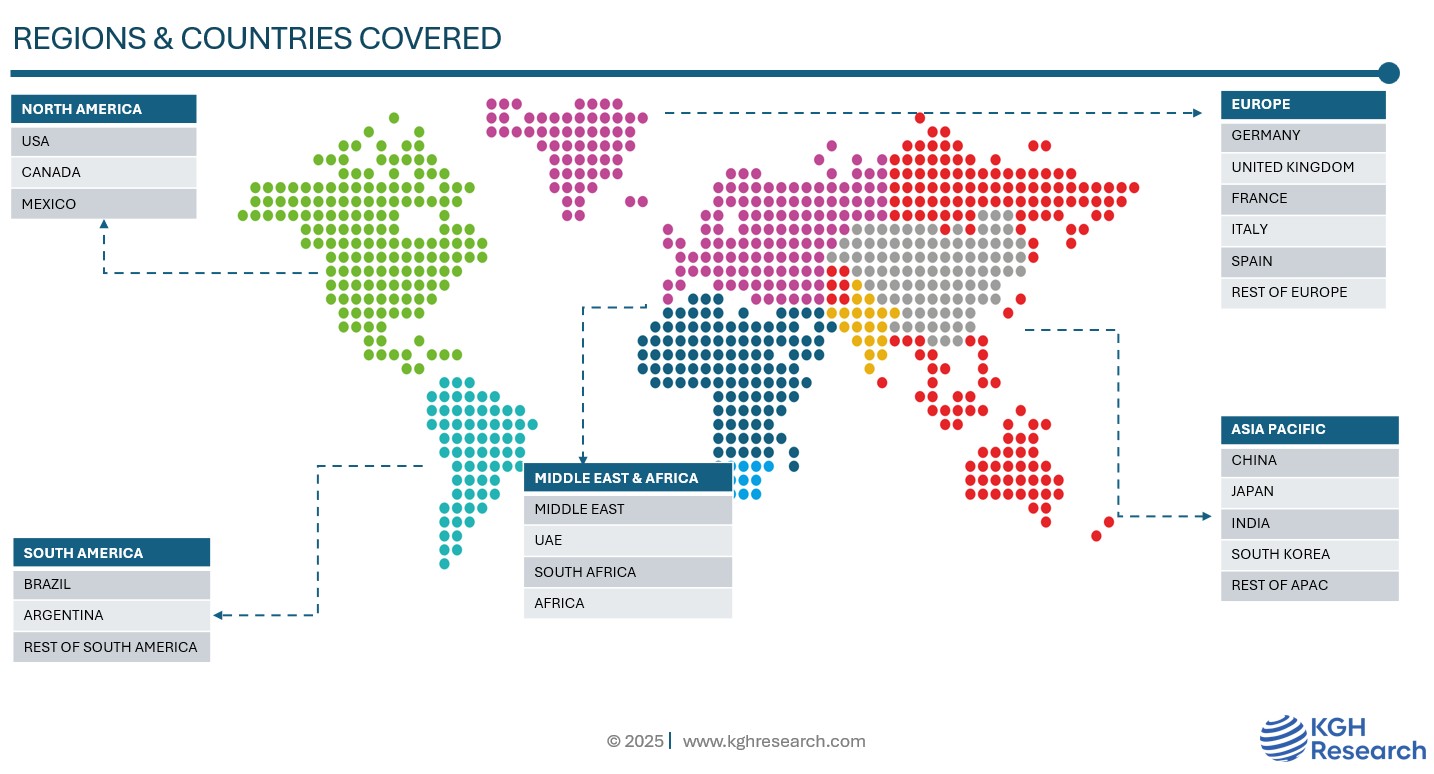
Regions Covered | North America, Europe, Asia Pacific, South America, Middle East & Africa |
Countries Covered | US, Canada, Mexico, UK, Germany, Italy, Spain, China, India, Japan, South Korea, South Africa, UAE, Saudi Arabia, Brazil, Argentina |
Companies Profiled | GE HEALTHCARE, SIEMENS HEALTHINEERS AG, KONINKLIJKE PHILIPS N.V., CANON MEDICAL SYSTEMS CORPORATION, CARDINAL HEALTH, ADVANCED ACCELERATOR APPLICATIONS (SA), TRASIS, MOLECULAR IMAGING, INC., IBA MOLECULAR, NORDION (CANADA) INC., MEDTRONIC, ECKERT & ZIEGLER, VARIAN, SURGICEYE GMBH, DIGIRAD CORPORATION, SHIMADZU CORPORATION, HITACHI, LTD., CMR NAVISCAN CORPORATION, MEDISO MEDICAL IMAGING SYSTEMS LTD., BOZLU HOLDING, NEUSOFT CORPORATION, COMPAÑÍA MEXICANA DE RADIOLOGÍA CGR, SPECTRUM DYNAMICS MEDICAL, DDD-DIAGNOSTICS A/S, TOSHIBA MEDICAL SYSTEMS CORPORATION, MEDISO MEDICAL IMAGING SYSTEMS, LTD., SPECT/CT LTD., LANTHEUS AND OTHERST
|